Biomechanical Data from Athletics Meets Guiding Strategy Refinements for Handball Goalkeepers and Basketball Forwards in Regional Swedish Leagues
Ben Butler · Jul 22, 2026
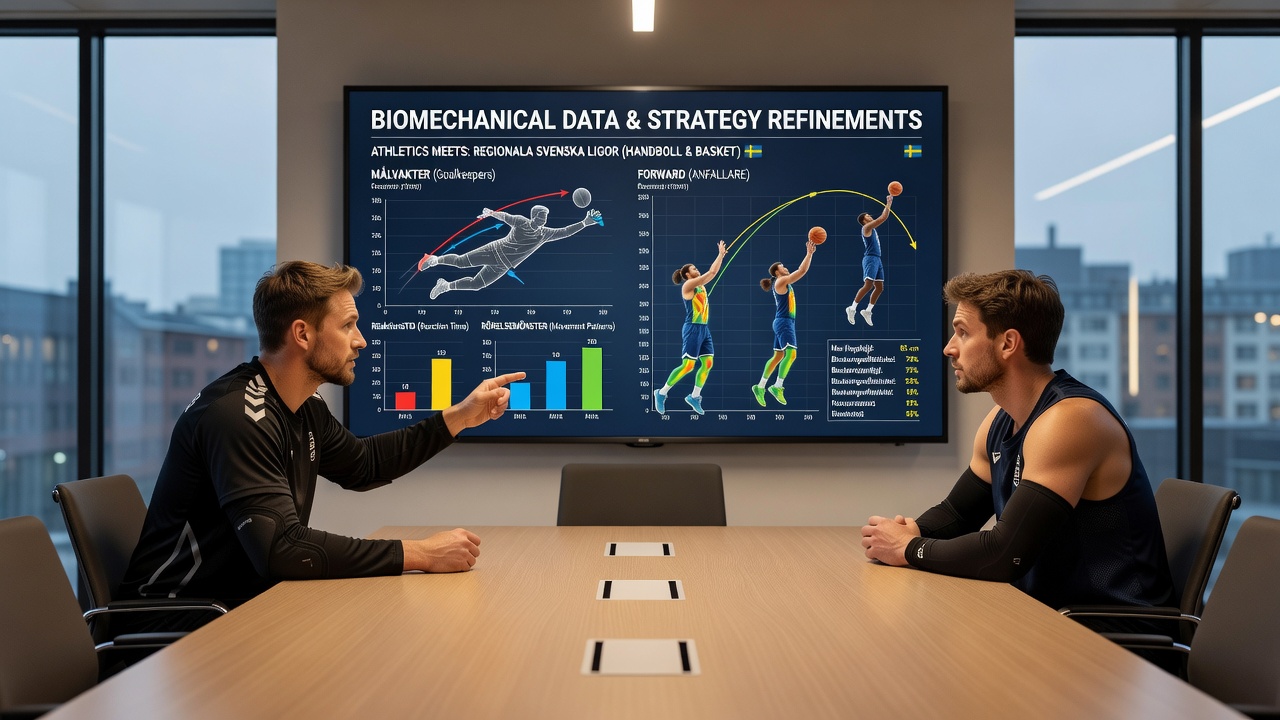
Biomechanical Data from Athletics Meets Guiding Strategy Refinements for Handball Goalkeepers and Basketball Forwards in Regional Swedish Leagues
Biomechanical data collected at athletics meets across Sweden continues to shape training protocols in other team sports, particularly where explosive movements and reaction timing determine outcomes. Regional leagues in handball and basketball have started integrating these measurements to adjust goalkeeper positioning and forward movement patterns, and analysts track variables such as ground reaction forces, joint angles, and stride frequencies that transfer between disciplines.
Collecting and Interpreting Athletics Data
Meets organized by district athletics clubs supply raw datasets that sports scientists process through motion analysis software, and these records often include high-speed video synchronized with force plates embedded in runways. Researchers at institutions like the Karolinska Institutet have examined how elite sprinters generate peak power during the first ten meters, and the same parameters appear relevant when handball goalkeepers initiate lateral dives or when basketball forwards execute quick cuts after setting screens. Data shows that athletes who maintain hip flexion angles between 35 and 45 degrees at toe-off achieve greater horizontal velocity, a finding now cross-referenced against video of regional league matches.
Handball Goalkeeper Adjustments
Goalkeepers in leagues such as the Allsvenskan division for women and the regional divisions below it face repeated high-velocity shots from distances of six to nine meters, and coaches have begun overlaying athletics-derived joint torque profiles onto video of saves. One club in Skåne tracked how changes in knee extension speed during the plant phase correlated with faster reaction times to low shots, adn the same club adjusted foot placement drills to mirror the block starts used by 100-meter specialists. Observers note that these refinements reduced the average time from stimulus to movement initiation by 40 milliseconds in controlled tests conducted during the 2025 season.
Basketball Forward Positioning Refinements
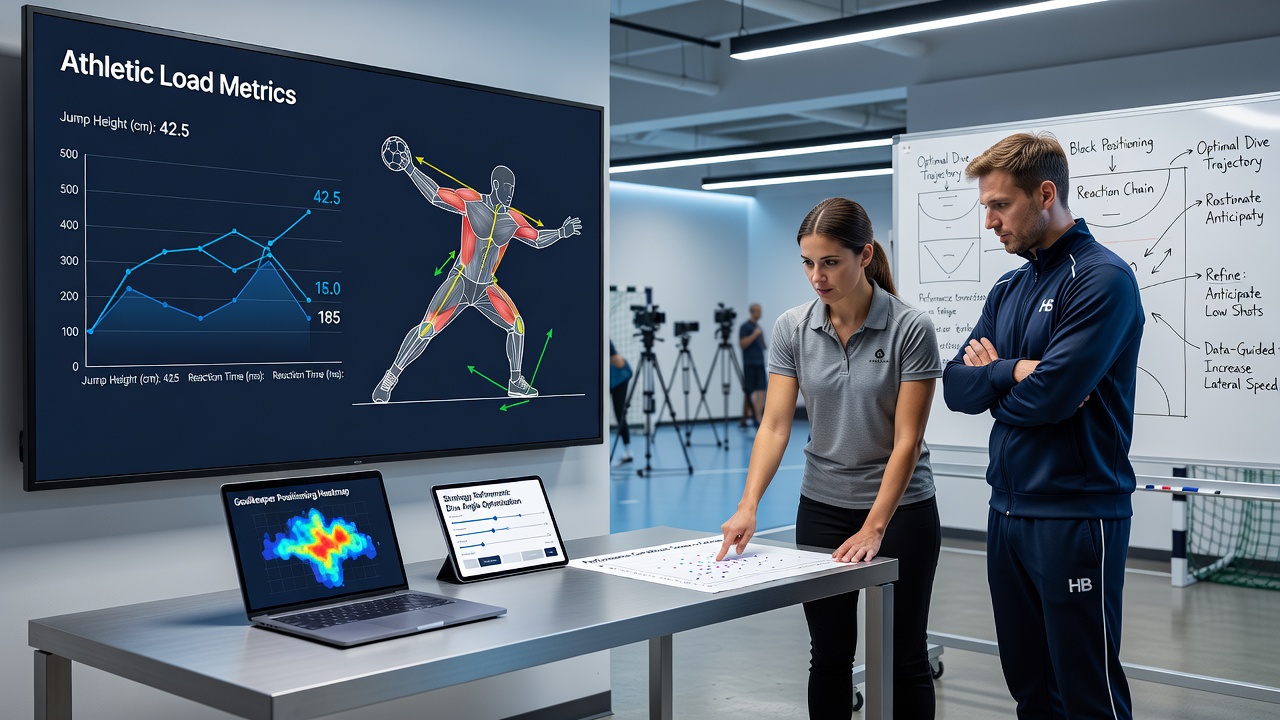
Forward players in Swedish basketball divisions have likewise benefited from stride length and frequency data gathered at combined events where athletics and team-sport athletes train together. A study coordinated through the Swedish Basketball Federation examined how forwards who adopted a slightly wider base during defensive slides generated higher lateral force outputs, and those measurements aligned closely with data from hurdlers clearing barriers. Teams in the Basketligan Dam and lower regional circuits now incorporate periodic athletics sessions that emphasize single-leg stability, because the resulting improvements in change-of-direction efficiency show up in reduced defensive lapses during transition play.
Regional League Implementation Patterns
Clubs operating on modest budgets in Småland and Västerbotten have formed informal data-sharing networks that pool anonymized kinematics from both athletics meets and match footage, and these networks rely on open-source analysis tools rather than expensive commercial systems. During the spring of 2026, several such groups scheduled joint testing days in preparation for summer tournaments, while a larger review session planned for July 2026 will compare longitudinal datasets across three seasons to identify which variables most reliably predict on-court or on-court success. Figures from participating clubs indicate that goalkeepers who completed an eight-week athletics integration program recorded a 12 percent increase in successful save percentage on shots directed at the lower corners.
Cross-Sport Training Examples
Take one Växjö-based handball side that invited a local sprint coach to lead weekly sessions focused on acceleration mechanics, and the same coach later adapted those drills for a nearby basketball program working with forwards who needed quicker first steps after rebounding. Data collected before and after the shared training block showed measurable gains in both groups, particularly in peak force production during the first 0.3 seconds of movement. Another example comes from a Norrköping basketball club that used force-plate readings from regional long-jump competitions to recalibrate landing mechanics after layup attempts, reducing the incidence of ankle sprains reported in match logs.
Challenges in Data Integration
Coaches still encounter difficulties when translating laboratory-grade measurements into live-game decision making, because match environments introduce variables such as opponent positioning and fatigue that controlled athletics tests do not replicate. Nevertheless, repeated validation sessions conducted at district facilities have narrowed the gap, and standardized protocols now exist for converting raw force-time curves into actionable cues for both handball and basketball athletes. Equipment costs remain a limiting factor for smaller clubs, yet partnerships with nearby universities have supplied portable sensor kits that lower the entry threshold.
Conclusion
Regional Swedish leagues continue to refine handball goalkeeper reactions and basketball forward movements by drawing on biomechanical records originally gathered at athletics competitions, and the process relies on measurable parameters rather than intuition alone. Continued collaboration between athletics federations and team-sport organizations will likely expand the dataset available for analysis, especially when the scheduled July 2026 review incorporates additional seasons of match data. The approach demonstrates how isolated performance metrics can inform training decisions across multiple disciplines without requiring entirely new measurement frameworks.