How Digital Tracking Apps Shape Participation Patterns in Swedish Youth Programs for Athletics, Handball, and Skiing
Parker Hartmann · Aug 15, 2026
How Digital Tracking Apps Shape Participation Patterns in Swedish Youth Programs for Athletics, Handball, and Skiing
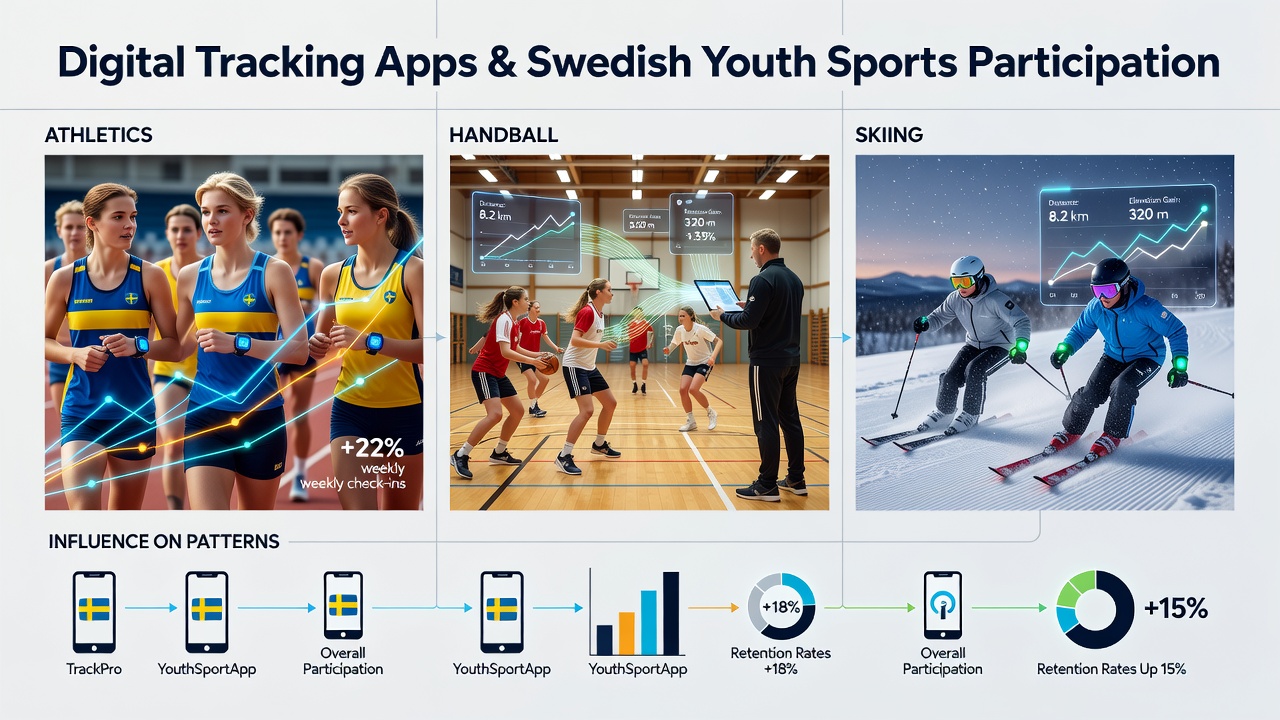
Digital tracking apps have integrated into Swedish youth sports programs for athletics, handball, and skiing, where they record metrics such as distance covered, heart rate, speed, and recovery times, and researchers from institutions including Lund University have documented shifts in how young participants engage with training schedules across these disciplines. Data from the Swedish Sports Confederation shows that adoption rates rose steadily between 2022 and 2025, with many clubs incorporating apps like those developed for endurance monitoring and team coordination into regular sessions.
Adoption Trends Across Disciplines
Programs in athletics began emphasizing individual metrics early, while handball squads adopted collective tracking features to monitor player positioning and workload distribution, and skiing groups focused on GPS-based route analysis in both cross-country and alpine settings. Observers note that clubs in regions like Dalarna and Västerbotten reported higher consistency in attendance logs when apps displayed progress visualizations, according to aggregated figures released by regional federations. What's interesting is how these tools connect seasonal activities, since athletes who track skiing sessions in winter often maintain data continuity when transitioning to athletics drills in spring.
Effects on Training Consistency and Dropout Rates
Studies conducted by teams at the Swedish School of Sport and Health Sciences indicate that youth participants using tracking apps maintained longer streaks of weekly activity compared to those relying solely on coach-led logs, particularly in handball where shared team dashboards encouraged peer accountability. Yet patterns also reveal that some athletes reduced involvement when performance thresholds highlighted gaps in their data, leading program coordinators to adjust goal-setting protocols during the 2024-2025 season. In skiing programs, apps that integrate snow condition reports alongside personal metrics helped sustain participation through variable winter weather, wth enrollment numbers holding steady into the 2026 calendar year.
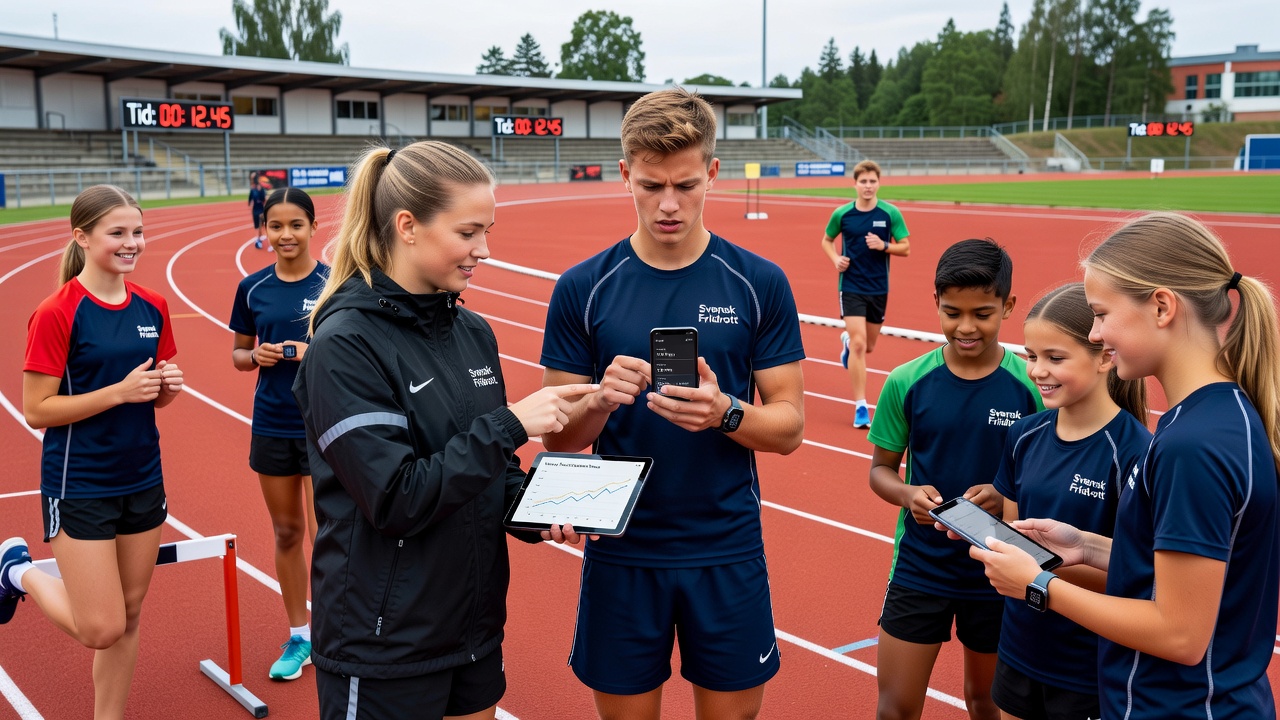
August 2026 brought new updates to several platforms used by Swedish clubs, including enhanced integration with national competition calendars that allowed seamless logging of both training and event results, and federation reports suggest these features contributed to a measurable uptick in multi-sport participation among 13- to 17-year-olds. Researchers tracking these developments found that athletes who combined handball sessions with athletics metrics often showed balanced load distributions, reducing injury flags in the system.
Cross-Sport Data Sharing and Participation Shifts
Many Swedish youth programs now encourage athletes to link profiles across disciplines, allowing skiing endurance data to inform handball conditioning plans or athletics speed work to refine skiing technique analysis. According to findings published through the European Olympic Committees' youth development network, such interoperability has supported transitions between winter and summer activities without the previous drop-off rates observed in earlier decades. Clubs in Stockholm and Gothenburg have implemented shared dashboards that display combined statistics, helping coaches identify athletes who might benefit from adjusted schedules based on cumulative fatigue indicators.
Challenges in Data Interpretation and Equity
While tracking apps deliver detailed outputs, coaches and program administrators have noted variations in how families access compatible devices, which can affect equitable participation in lower-resource areas. Reports from municipal sports offices highlight efforts to provide shared tablets during group sessions, ensuring that metric review remains part of collective training rather than an individual burden. Data from these initiatives shows participation rates stabilizing when access barriers decrease, especially in athletics and skiing programs where outdoor conditions already demand additional equipment.
Future Monitoring and Policy Adjustments
Federations continue to refine guidelines around data privacy and usage limits for those under 18, drawing on frameworks established by international bodies such as the International Olympic Committee. Swedish athletics, handball, and skiing organizations have begun piloting standardized reporting templates that aggregate anonymized trends without identifying individual athletes, supporting broader policy decisions on program funding and facility access. These steps align with ongoing research that examines long-term retention patterns through 2027 projections.
Conclusion
Digital tracking apps continue to influence participation patterns by providing measurable feedback loops that clubs integrate into athletics, handball, and skiing youth programs throughout Sweden, and the resulting data sets help administrators adapt schedules while maintaining focus on sustained involvement across seasons. As platforms evolve with features introduced around August 2026, the emphasis remains on balancing technological insights with inclusive access structures that support diverse athlete needs.