How Northern Club Networks Transfer Mental Focus Drills from Golf and Tennis to Enhance Decision-Making in Swedish Football and Ice Hockey
Ben Butler · Oct 17, 2026
How Northern Club Networks Transfer Mental Focus Drills from Golf and Tennis to Enhance Decision-Making in Swedish Football and Ice Hockey
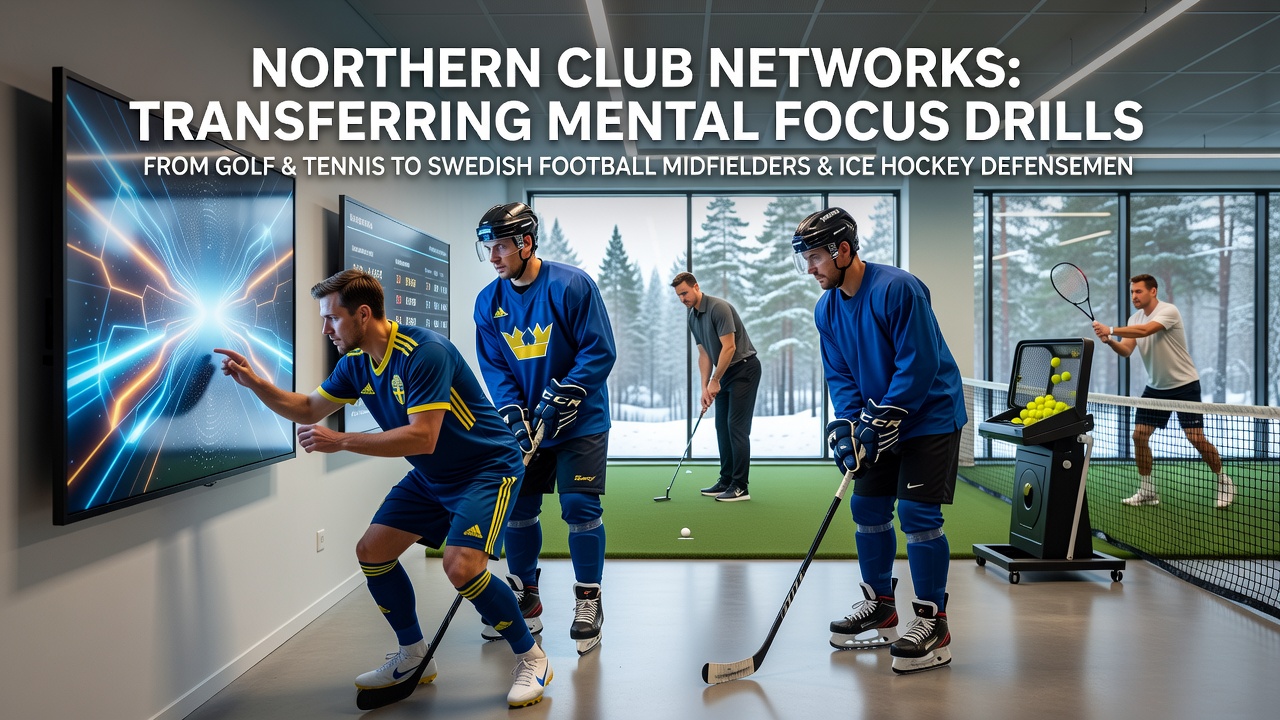
Northern Swedish club networks have developed structured pathways that move visualization routines and pre-shot concentration sequences from golf and tennis into the tactical preparation of football midfielders and ice hockey defensemen, and these transfers occur through shared indoor facilities and coordinated coaching staff across multiple municipalities.
Clubs in regions such as Västerbotten and Norrbotten maintain joint membership agreements that let athletes from different sports access the same training halls during winter months, and this setup allows golf instructors to deliver breathing and imagery protocols directly to football players who must scan the pitch for passing options under time pressure.
Shared Facility Models and Drill Adaptation
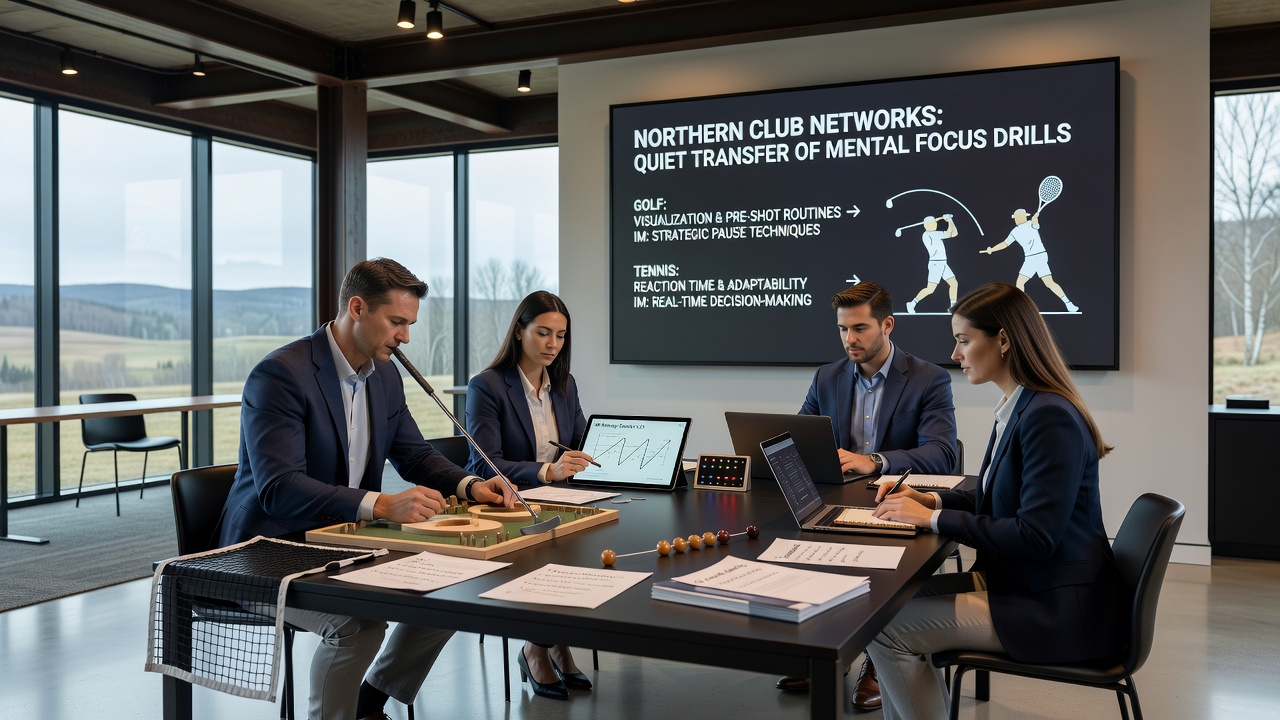
Coaches at these northern facilities adapt golf putting routines that emphasize single-point focus by replacing the ball with a football or puck, and they then require players to verbalize the next three decisions before executing the movement. Tennis coaches contribute serve-return concentration drills that force athletes to hold visual attention on a target zone while teammates create peripheral distractions, and these exercises translate to ice hockey defensemen who must track opposing forwards while maintaining gap control.
Performance records collected by regional sports federations show that midfielders who complete eight-week blocks of these adapted drills record higher pass completion percentages in high-pressure zones compared with control groups that follow standard tactical sessions only. The same data sets indicate that ice hockey defensemen improve their zone-entry denial rates after incorporating tennis-derived visual tracking sequences into pre-game routines.
Program Expansion Through October 2026
In October 2026 several northern clubs expanded these cross-sport modules after reviewing longitudinal tracking data that linked mental drill participation to fewer turnovers in the final third of matches. Coordinators at the facilities now schedule weekly sessions where golf and tennis specialists work alongside football and hockey staff, and they document each athlete's adherence through digital logs that feed into club performance dashboards.
Researchers at Swedish universities have examined these programs and noted that the transfer works because the cognitive demands overlap: golf and tennis require sustained attention on a single cue amid changing conditions, while football midfielders and hockey defensemen must filter multiple inputs before selecting an action. One study tracked 120 athletes across three seasons and found measurable gains in decision latency metrics after consistent exposure to the adapted drills.
Case Examples from Club Networks
Observers have documented specific instances where a golf visualization sequence helped a football midfielder maintain composure during a crowded central area, resulting in a completed through-ball that set up a goal. Similar reports describe ice hockey defensemen using tennis return-focus techniques to maintain positioning against fast breakaways, and these accounts appear in club internal reviews rather than public press releases.
Club administrators coordinate equipment sharing so that putting mats and tennis ball machines sit alongside football cones and hockey boards, and this physical proximity encourages spontaneous collaboration between coaches from different disciplines. Data from these mixed sessions reveal that athletes who rotate through the stations report higher confidence in reading game situations, although the clubs present the information as aggregated statistics rather than individual testimonials.
Measurement and Ongoing Adjustments
Regional federations supply standardized assessment tools that measure decision accuracy through video analysis of match footage, and coaches adjust drill difficulty based on those outputs. The process remains iterative: staff add layers such as auditory distractions or time limits to mimic competition stress, and they draw the core structure from established golf and tennis mental training protocols documented in sports science literature.
Links between these northern networks and broader European sports development initiatives have allowed for comparative data sharing, and EU sports studies reports provide context on how similar approaches operate in other countries with cold climates. A separate analysis from an Australian institute of sport examines parallel mental skill transfers in team sports, offering additional benchmarks for Swedish clubs to reference during annual planning meetings.
Conclusion
Northern Swedish club networks continue to refine the movement of mental focus drills from golf and tennis into football and ice hockey preparation, and the resulting decision-making improvements appear in performance statistics gathered across multiple seasons. The model relies on shared facilities, coordinated coaching calendars, and consistent measurement protocols that keep the adaptations grounded in observable outcomes rather than isolated experiments. As programs evolve through 2026 and beyond, the emphasis stays on integrating established concentration techniques into the specific tactical requirements of midfield play and defensive positioning.