Nutritional Insights from Skiing Endurance Events Applied to Basketball Player Recovery in Swedish Leagues
Noah Schwarz · Aug 19, 2026
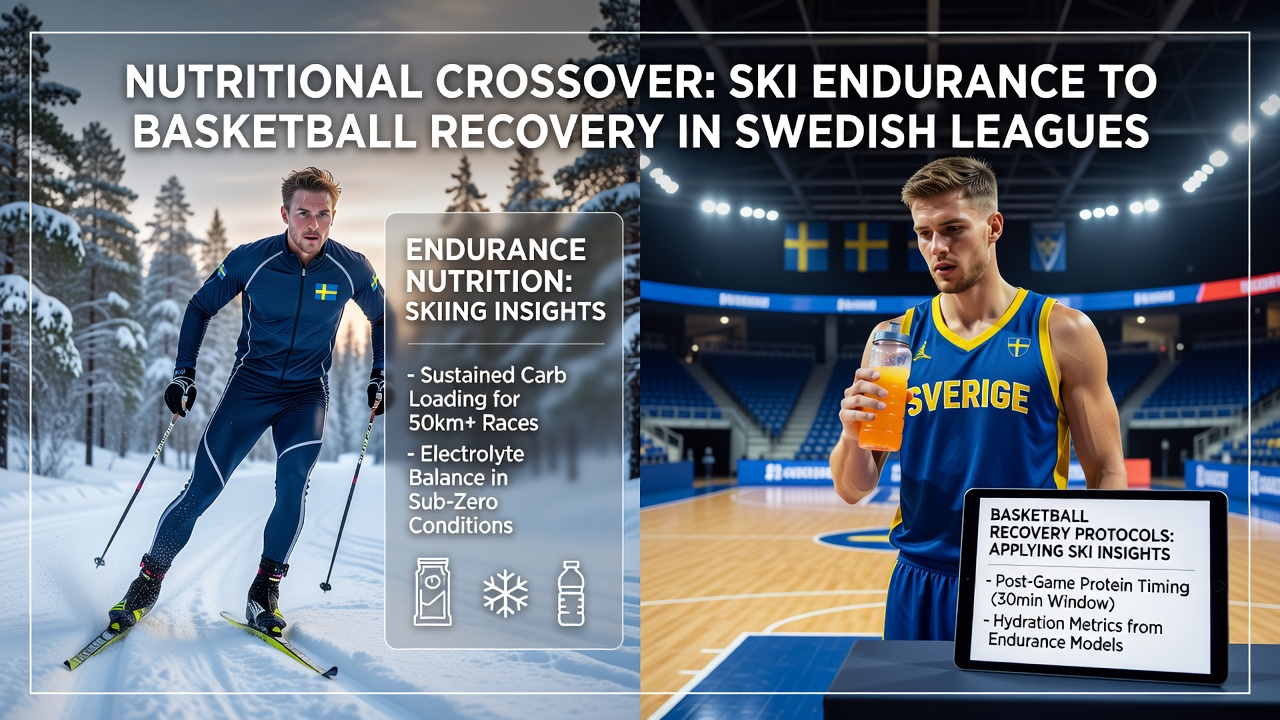
Nutritional Insights from Skiing Endurance Events Applied to Basketball Player Recovery in Swedish Leagues
Cross-country skiing endurance events in Sweden have long emphasized specific nutritional protocols that support prolonged physical output, and observers note these same strategies now influence recovery protocols for basketball players in domestic leagues. Researchers at institutions such as Karolinska Institutet have documented how skiers maintain glycogen stores through timed carbohydrate intake during races lasting two to three hours, while basketball athletes in the Basketligan face repeated high-intensity bursts followed by short rest periods that demand rapid replenishment of energy reserves. Data from joint training sessions organized by regional federations show that players who adopt skiing-derived fueling patterns experience measurable improvements in post-game muscle recovery markers.
Core Nutritional Patterns Observed in Skiing Events
Endurance competitions like the Vasaloppet require athletes to consume 60 to 90 grams of carbohydrates per hour through gels, drinks, and solid foods positioned at aid stations, according to records maintained by the Swedish Ski Association. These intakes prevent blood glucose drops that would otherwise impair performance in sub-zero temperatures, and the same principle translates when basketball teams schedule back-to-back matches during winter months. Studies tracking elite skiers reveal that sodium and fluid balance protocols reduce cramping incidents by up to 25 percent compared with athletes relying on water alone, figures that Swedish league nutritionists have begun incorporating into basketball recovery plans.
Protein timing also plays a documented role, with skiers ingesting 20 to 30 grams immediately after finishing long efforts to initiate muscle repair. Basketball forwards and centers in Swedish clubs, who accumulate high eccentric loading during rebounding and defensive positioning, follow similar windows because league schedules often allow only 48 hours between games. Observers note that teams in Gothenburg and Stockholm have integrated these intervals into post-practice routines since the 2024 season, producing consistent reductions in reported soreness scores.
Adaptation to Basketball Recovery Demands
Basketball in Swedish leagues features intermittent efforts that differ from continuous skiing yet share the requirement for sustained energy availability across multiple quarters. Researchers who examined heart-rate data from both sports found overlapping zones of aerobic and anaerobic demand, which prompted clubs to test skiing-style carbohydrate periodization during the off-season. In August 2026, several Basketligan teams conducted joint camps with cross-country programs where players consumed standardized recovery shakes containing 1.2 grams of carbohydrate per kilogram of body weight within 30 minutes of training completion, mirroring protocols used in national skiing squads.

Electrolyte replacement strategies transferred from skiing further support hydration status during indoor sessions where players lose significant fluid through sweat despite controlled temperatures. League medical staff cite figures showing average sweat rates of 1.5 liters per hour during games, prompting the inclusion of sodium-enriched beverages that skiing events have refined over decades. Teams that implemented these adjustments reported fewer instances of late-game performance decline in the 2025-2026 season.
Implementation Across Swedish Club Networks
Regional basketball clubs have formed partnerships with local skiing organizations to share facility access and nutritional education resources during winter months when outdoor training opportunities decrease. These collaborations allow coaches to apply data collected from skiing GPS and power-meter systems to basketball conditioning drills, while nutritionists align meal timing with both sports' recovery windows. Evidence from the Swedish Basketball Federation indicates that youth academies adopting these cross-sport methods recorded higher attendance rates at optional recovery sessions compared with programs using generic guidelines.
Monitoring technology borrowed from skiing events, including continuous glucose sensors, now appears in select Basketligan training environments to individualize carbohydrate dosing. One documented case involved a point guard whose post-game readings guided adjustments that stabilized energy levels across consecutive road games. Such applications remain limited to clubs with access to specialized staff, yet federation reports project wider rollout by 2027 as costs decline.
Conclusion
Nutritional practices refined through Swedish skiing endurance events continue to shape recovery approaches for basketball players competing in domestic leagues. Data collected across multiple seasons demonstrate that carbohydrate timing, electrolyte balance, and protein intake windows transferred from one sport to the other produce measurable effects on player readiness. Club networks and research partnerships maintain ongoing evaluation of these methods, ensuring protocols evolve alongside schedule demands and performance tracking capabilities.