Nutritional Strategies from Swedish Dietitians for Multi-Sport Athletes Managing Golf, Athletics and Handball Seasons
Ben Butler · Oct 3, 2026
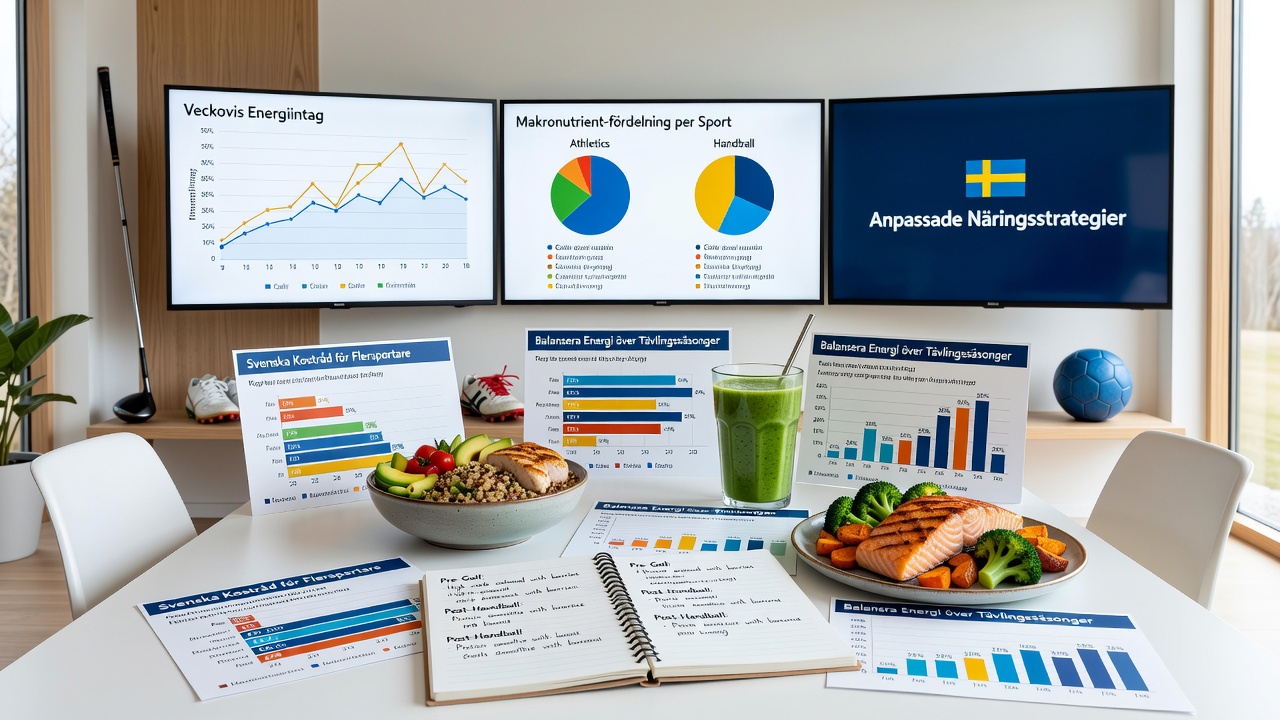
Nutritional Strategies from Swedish Dietitians for Multi-Sport Athletes Managing Golf, Athletics and Handball Seasons
Core Principles Behind Swedish Multi-Sport Nutrition Planning
Swedish dietitians have developed structured nutritional frameworks that address the distinct physiological demands of golf, athletics and handball within overlapping competition calendars that often stretch across multiple seasons. These approaches emphasize precise timing of macronutrients, micronutrient monitoring and recovery protocols that adapt to travel, weather shifts and varying training loads. Data from national athlete monitoring programs indicate that athletes participating in all three sports require individualized carbohydrate cycling to sustain power output during athletics events while supporting endurance on the golf course and explosive movements in handball matches.
Researchers at several Swedish sports medicine centers have documented how athletes benefit from periodized protein intake that aligns with handball's high-impact sessions and athletics recovery windows, while golf's longer-duration focus calls for sustained energy sources rather than rapid glycogen replenishment. In October 2026, when many regional tournaments and international qualifiers cluster, these strategies become particularly relevant because athletes must manage consecutive events without extended rest periods between disciplines.
Carbohydrate and Hydration Protocols Across Disciplines
Carbohydrate distribution follows a rotating schedule that accounts for golf's steady energy expenditure over four to five hours, athletics events that demand quick glycogen access, and handball's repeated high-intensity bursts. Dietitians recommend moderate glycemic index sources during golf rounds to maintain steady blood glucose levels, whereas pre-competition meals before athletics meets often include higher glycemic options timed 90 to 120 minutes prior. Handball players receive guidance on intra-match fueling through sports drinks calibrated to electrolyte losses documented in Swedish league studies.

Hydration strategies incorporate climate data from southern and northern training facilities, since golf courses and athletics tracks experience different temperature ranges than indoor handball arenas. Fluid intake plans adjust for humidity levels recorded during October events, and athletes track urine specific gravity as part of routine monitoring. According to guidelines from the Sports Dietitians Australia, such individualized fluid targets help maintain performance consistency when athletes transition between outdoor and indoor venues within the same week.
Protein Timing and Micronutrient Focus for Recovery
Protein consumption patterns developed by Swedish practitioners spread intake across five to six daily windows to support muscle repair after handball collisions and athletics strength sessions while preserving lean mass during lower-intensity golf periods. Leucine-rich sources appear at breakfast and post-training meals, and plant-based alternatives supplement diets for athletes following specific preferences. Micronutrient tracking covers vitamin D levels, which Swedish studies link to seasonal variations, along with iron and magnesium status that influence endurance and recovery across the three sports.
Case documentation from regional teams shows athletes using creatine timing aligned with athletics power phases and handball tournament blocks, while omega-3 sources support joint health during extended golf schedules. These adjustments occur under regular blood work reviews conducted every six to eight weeks during peak calendar stretches.
Practical Implementation During Extended Calendars
Meal planning tools developed for Swedish athletes include portable options for travel between golf tournaments, athletics meets and handball leagues. Dietitians coordinate with coaches to align nutrition with tapering schedules, ensuring athletes reach events with optimal glycogen stores without excess weight that could affect golf swing mechanics or handball agility. October 2026 schedules, which feature overlapping national series and youth development events, require advance preparation of recovery shakes and snack packs that meet all three sports' needs without duplication of effort.
Collaboration with club nutritionists allows real-time adjustments based on performance metrics such as sprint times in athletics, driving distance in golf and defensive reaction data in handball. These metrics feed into weekly reviews that refine portion sizes and supplement use.
Conclusion
Swedish dietitians continue to refine nutritional frameworks that integrate the requirements of golf, athletics and handball through data-driven adjustments to macronutrient timing, hydration and micronutrient support. These methods enable athletes to sustain performance across extended competition periods while minimizing recovery gaps between events. Ongoing monitoring programs provide the evidence base for further refinements as calendars evolve in coming seasons.