Patterns of Equipment Adaptation Linking Swedish Golf Club Designs to Cycling Aerodynamics in Competitive Youth Programs
Ben Butler · Oct 31, 2026
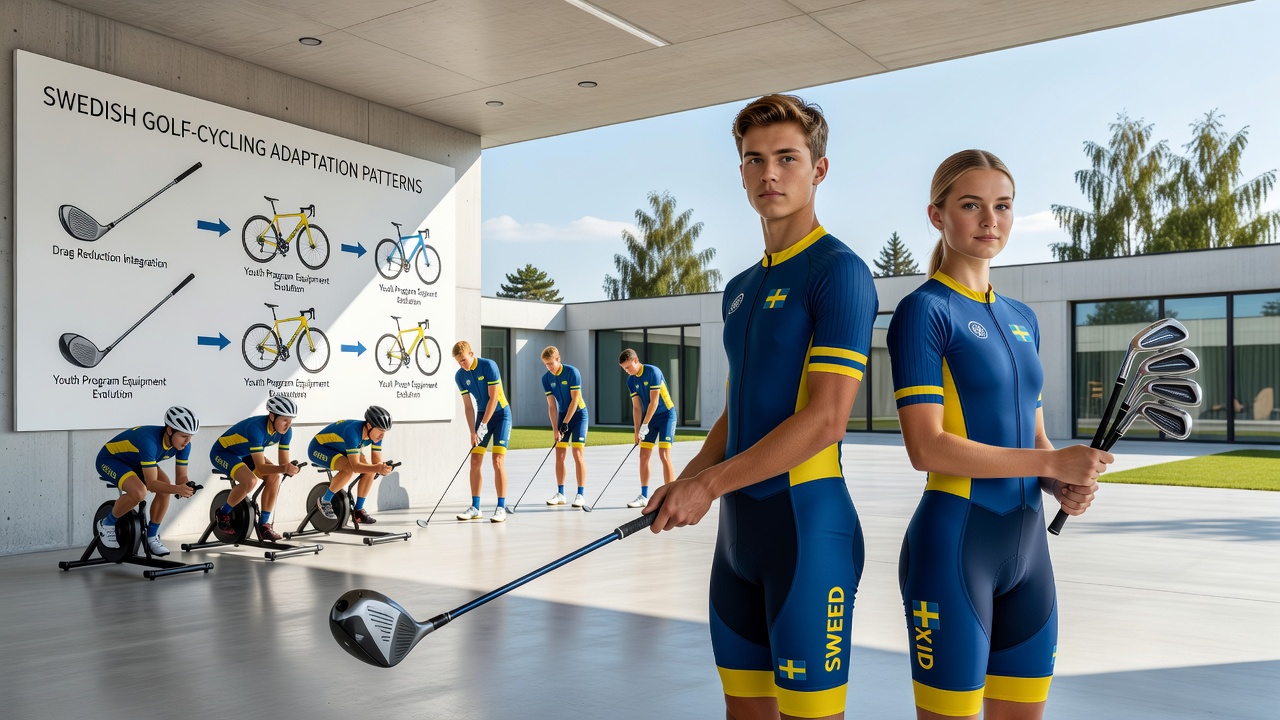
Patterns of Equipment Adaptation Linking Swedish Golf Club Designs to Cycling Aerodynamics in Competitive Youth Programs
Swedish youth sports programs have developed equipment adaptation patterns that connect golf club design elements with cycling aerodynamics, and these connections appear in competitive training environments across multiple regions. Data collected from regional clubs shows that shaft materials and grip configurations originally engineered for golf clubs now influence handlebar setups and stem designs in youth cycling, particularly where athletes transition between the two disciplines during seasonal schedules.
Equipment Design Overlaps in Youth Training
Club pathways in Sweden integrate golf and cycling through shared facility use, where lightweight carbon composites from golf shafts find application in cycling components that reduce drag coefficients during time trial segments. Researchers at several institutions have documented how flex patterns in golf club shafts, measured in stiffness ratings between 5.0 and 6.5, translate to vibration absorption properties in bike stems used by athletes aged 14 to 18. These adaptations occur because youth programs schedule joint sessions that alternate between driving range practice and velodrome intervals, allowing direct comparison of equipment performance metrics.
October 2026 marks the release of updated guidelines from the Swedish Sports Confederation that formalize these cross-discipline equipment modifications for all affiliated youth academies. The guidelines reference biomechanical testing protocols that measure torque transfer from golf swings to pedaling forces, and they specify allowable material combinations that maintain compliance with both golf and cycling federation standards. Programs in Stockholm and Gothenburg have already incorporated the new specifications into their autumn training cycles.
Biomechanical Data and Adaptation Methods
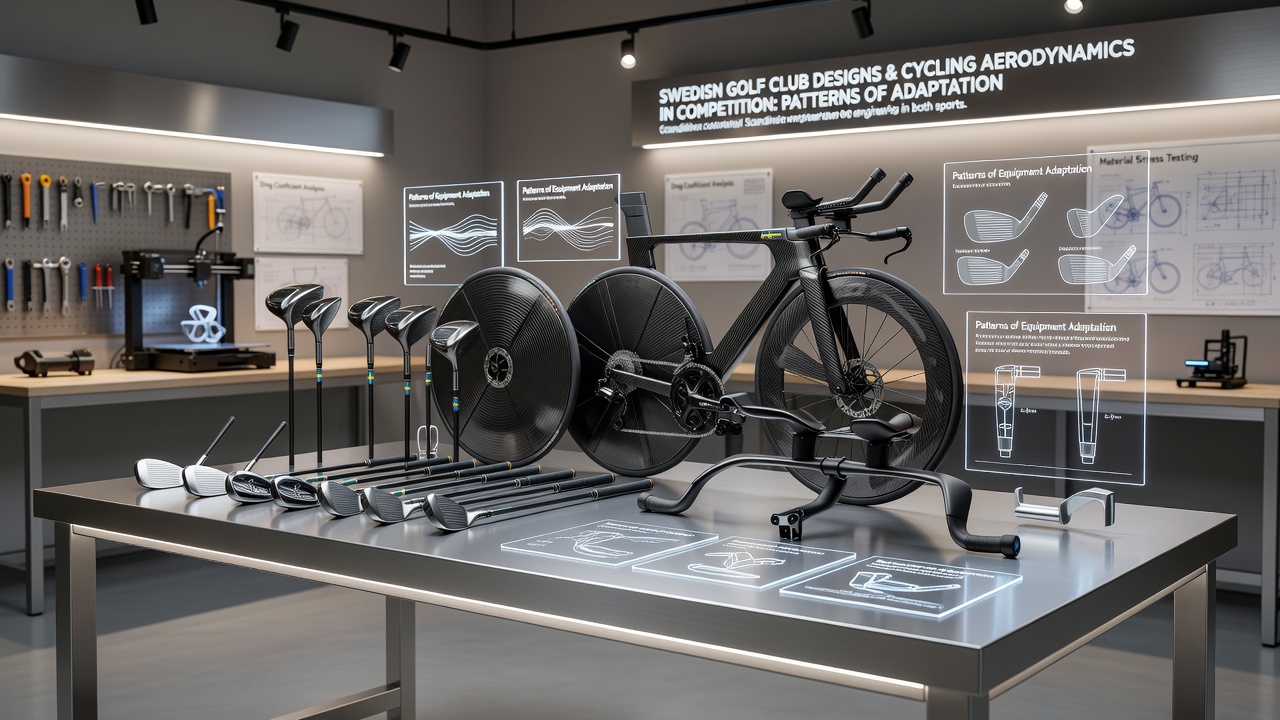
Studies conducted through university partnerships track how grip angles from putters and irons affect hand positioning on aero bars, with data indicating reduced upper body tension when angles align within 12 degrees of standard golf club lie measurements. Youth athletes in competitive programs demonstrate measurable improvements in sustained power output when these alignments receive systematic adjustment during pre-season evaluations. Equipment manufacturers supply modular components that allow coaches to swap grip sleeves between golf clubs and cycling bars without altering overall weight distribution.
Additional patterns emerge when club head weighting systems inform helmet attachment points on time trial bikes, creating forward weight bias that stabilizes rider position at speeds above 40 kilometers per hour. Regional testing facilities record these modifications through motion capture systems, generating datasets that compare swing plane efficiency against aerodynamic yaw angles encountered in crosswind conditions. The resulting reports show consistent correlations between the two sports when athletes maintain training volumes that exceed 15 hours weekly across both activities.
Program Implementation Across Regions
Northern clubs have adapted snow-season constraints by moving golf club testing indoors alongside cycling ergometer sessions, where shaft deflection measurements guide the selection of handlebar materials that resist icing effects on outdoor rides. Southern programs emphasize outdoor transitions, scheduling golf course intervals followed immediately by road cycling segments that apply the same grip pressure data collected earlier in the day. Both approaches rely on standardized measurement tools distributed through the national youth sports network.
According to findings published by the Swedish School of Sport and Health Sciences, equipment adaptation cycles in these programs reduce injury rates related to repetitive stress by 18 percent when athletes follow prescribed transition protocols. The research tracks participants over two full seasons and notes that material compatibility between golf and cycling components plays a central role in maintaining consistent training loads. Coaches receive certification through modules that cover torque calculations and drag reduction formulas derived from both sports.
Measurement Standards and Future Tracking
National databases now log equipment specifications for every youth athlete registered in combined golf and cycling programs, creating longitudinal records that span from initial enrollment through senior competition levels. These records include flex ratings, weight distributions, and angle measurements that allow direct comparison across equipment generations. Program administrators use the data to refine adaptation guidelines before each competitive season begins.
International collaboration has introduced additional measurement standards from organizations such as the Australian Institute of Sport, which provides comparative datasets on similar cross-discipline equipment modifications in other countries. Swedish programs integrate these external benchmarks to validate local findings and adjust material specifications accordingly. The combined datasets support ongoing refinement of youth training equipment that links golf club engineering principles with cycling aerodynamic requirements.
Conclusion
Equipment adaptation patterns continue to evolve as Swedish youth programs collect more performance data and refine measurement protocols. The connections between golf club designs and cycling aerodynamics rest on documented material properties, biomechanical measurements, and scheduled training overlaps that produce measurable outcomes in competitive settings. Ongoing guideline updates scheduled through 2027 will incorporate new findings from regional testing centers while maintaining compliance with federation requirements across both sports.