Shared Genetic Endurance Traits Among Elite Cross-Country Skiers and Marathon Specialists
Noah Schwarz · Aug 8, 2026
Shared Genetic Endurance Traits Among Elite Cross-Country Skiers and Marathon Specialists
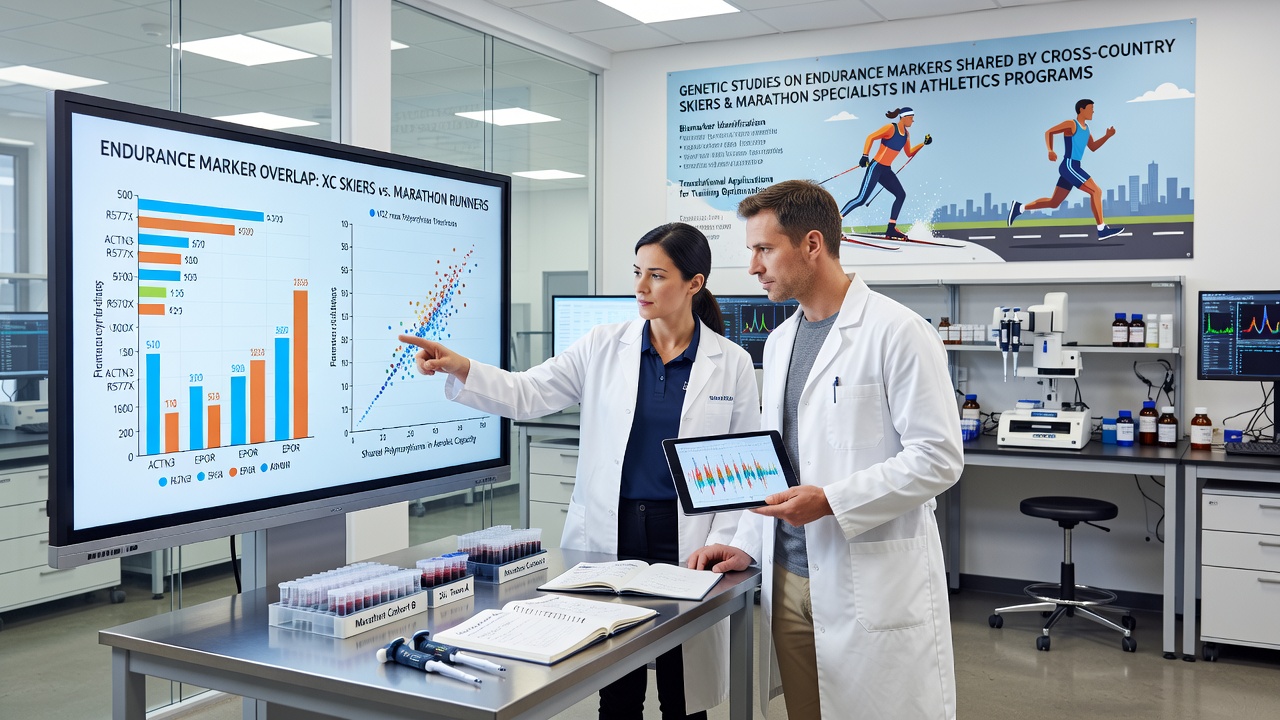
Genetic studies have identified overlapping endurance markers in cross-country skiers and marathon specialists that appear across multiple athletics programs worldwide, with researchers focusing on variants that influence oxygen utilization and muscle fiber composition. These investigations examine how specific gene expressions support sustained performance in both winter endurance events and long-distance track competitions, while programs integrate findings to refine training protocols for athletes transitioning between disciplines.
Key Genetic Markers Under Investigation
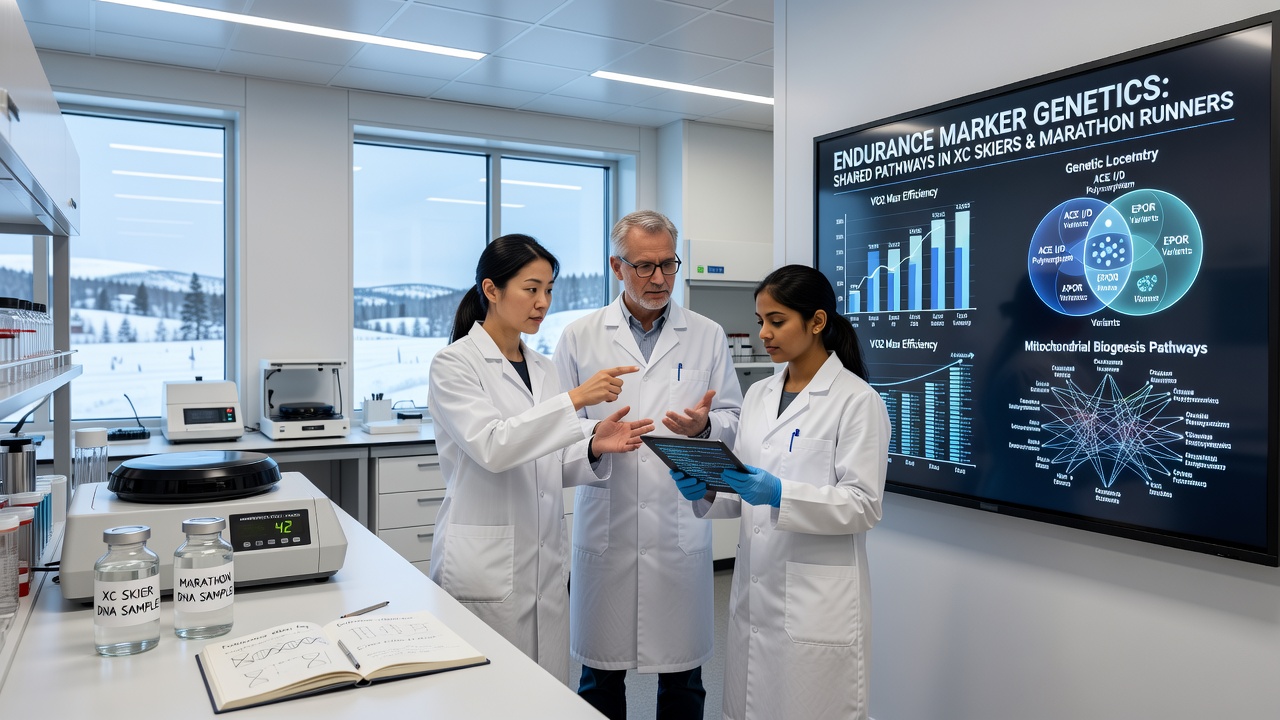
Variants in the ACE gene stand out in data collected from elite skiers and marathon runners because they correlate with improved aerobic capacity and efficient lactate clearance during prolonged exertion, and studies continue to track these patterns across Scandinavian and North American cohorts. Researchers have also noted consistent associations with the PPARGC1A gene, which regulates mitochondrial biogenesis, and this marker shows similar prevalence in both groups when compared against control populations from general athletic databases. Additional attention falls on ACTN3 polymorphisms that influence fast-twitch versus slow-twitch fiber balance, although endurance specialists often carry the endurance-favoring allele at higher rates than power athletes.
Comparative Findings Across Disciplines
Data from longitudinal tracking shows that cross-country skiers and marathon specialists share elevated frequencies of certain mitochondrial DNA haplogroups that enhance cellular energy production under hypoxic conditions, and these patterns hold steady even when athletes train at different altitudes. One study revealed that participants in both sports displayed higher expression levels of genes involved in fatty acid oxidation, which allows sustained energy release without rapid glycogen depletion. Observers note that athletics programs now incorporate genetic screening early in talent identification pipelines to match athletes with complementary training environments, although environmental factors still account for the majority of performance variance according to available evidence.
Programs in Europe and Australia have begun cross-referencing these markers with physiological test results from combined winter and summer training camps, where athletes perform standardized endurance protocols that highlight shared metabolic efficiencies. In August 2026, updated datasets from international collaborations were released at a sports science symposium, confirming stable allele frequencies across new participant groups recruited from junior development pathways.
Applications in Athletics Training Programs
Athletics federations apply these genetic insights when designing periodized plans that alternate high-volume skiing simulations with road running blocks, and the approach helps identify athletes who respond favorably to mixed modalities. Researchers discovered through controlled trials that individuals carrying multiple endurance-associated markers recovered faster between sessions, which allowed coaches to increase training density without elevating injury reports. National programs now reference findings from the National Institutes of Health to calibrate nutritional interventions that support the metabolic pathways linked to those markers, while similar frameworks appear in reports issued by the Australian Institute of Sport.
Case examples include youth academies that pair genetic profiles with wearable performance data to predict which athletes might excel in both marathon events and ski marathons later in their careers. Those who've studied these cohorts report that shared markers also appear in athletes who compete in ultradistance events, suggesting broader applicability beyond the two primary sports under review. Programs continue to collect samples during routine medical evaluations to expand reference databases and refine predictive models.
Future Directions in Research
Ongoing projects examine epigenetic modifications that may activate or suppress endurance genes in response to seasonal training shifts, and preliminary results indicate that altitude exposure produces measurable changes in methylation patterns for both skier and runner populations. Collaborative efforts between universities and sports institutes focus on multi-omics approaches that combine genomics with proteomics to build more accurate profiles of shared endurance capacity. These initiatives aim to support safer talent development pathways while respecting individual variability in genetic responses.
Conclusion
Current evidence establishes clear overlaps in endurance-related genetic markers between cross-country skiers and marathon specialists, and athletics programs worldwide continue to integrate these findings into structured development systems. Continued data collection through 2026 and beyond will likely expand understanding of how these markers interact with training environments and recovery strategies across different regions.