Sweden's Club-Based Approach Connecting Winter Sports Enthusiasts with Summer Competition Circuits in Various Disciplines
Ben Butler · Jul 20, 2026
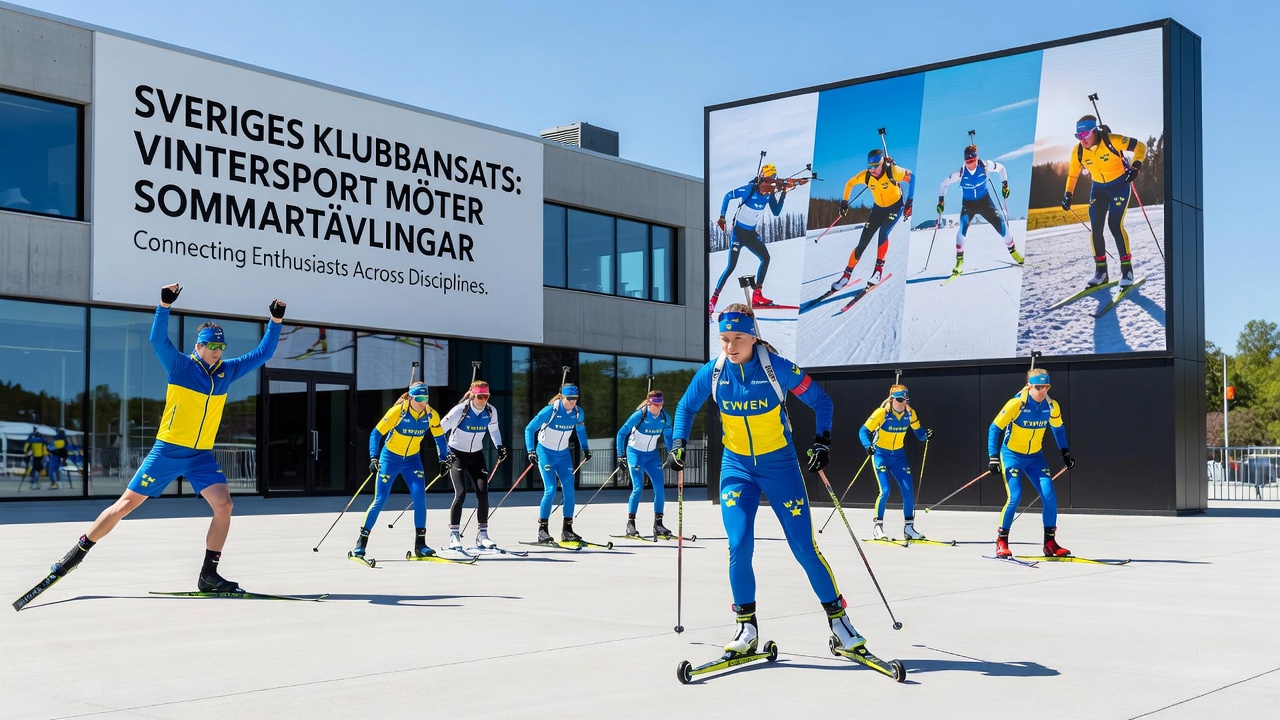
Sweden's Club-Based Approach Connecting Winter Sports Enthusiasts with Summer Competition Circuits in Various Disciplines
Sweden maintains an extensive network of multisport clubs that link winter disciplines such as cross-country skiing and biathlon with summer circuits in cycling, athletics, and orienteering, allowing athletes to maintain year-round training and competition schedules through shared facilities and coaching structures.
These clubs operate under frameworks established by the Swedish Sports Confederation, where membership often spans seasonal sports without requiring separate registrations for each discipline, and data from national participation surveys show steady increases in cross-season involvement since the early 2010s.
Club Structures and Seasonal Transitions
Local and regional clubs coordinate training calendars that shift athletes from snow-based endurance work to road or trail events once winter conditions end, with coaches certified across multiple federations overseeing programs that combine strength routines from skiing with speed sessions suited to summer racing, while facilities such as indoor tracks and roller-ski tracks remain available throughout the year.
Researchers at the University of Gothenburg have documented how these integrated schedules reduce downtime between seasons, and participation figures indicate that athletes registered in winter sports clubs frequently enter summer competitions organized by the Swedish Cycling Federation or the Swedish Athletic Association without leaving their primary club base.
Discipline-Specific Pathways
In biathlon programs, winter marksmanship and skiing drills transition into summer laser shooting combined with running or mountain biking events, creating competition opportunities in national youth circuits that run from May through September; similar patterns appear in alpine skiing clubs where dry-land agility work feeds into downhill mountain bike races and slalom-style obstacle courses.
Observers note that ice hockey clubs sometimes maintain summer affiliations with swimming and rowing sections, enabling players to sustain cardiovascular fitness through open-water events, and records from the Swedish Olympic Committee list multiple athletes who have competed at elite levels in both winter and summer disciplines under the same club umbrella.
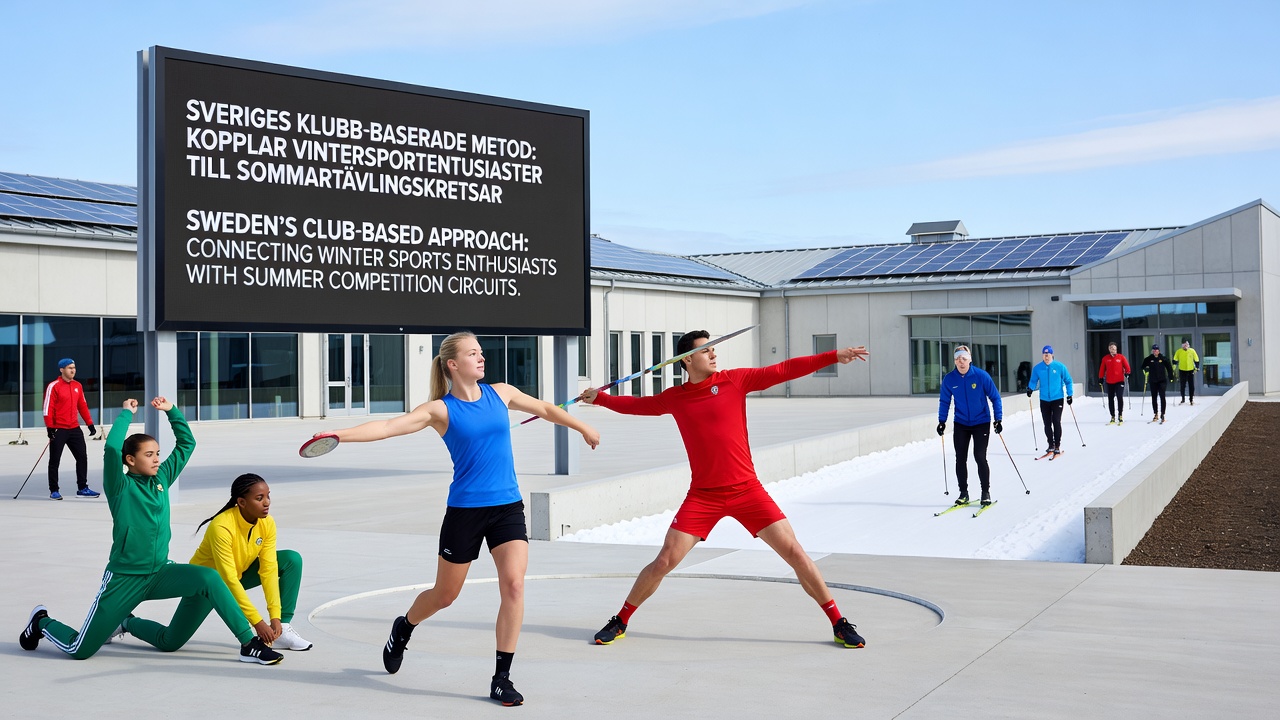
Training Infrastructure and July 2026 Events
Many clubs invest in multi-use venues that include roller-ski loops adjacent to cycling paths and artificial snow tunnels that convert to indoor cycling tracks during warmer months, supporting continuous athlete development across disciplines; in July 2026 several regional clubs will host combined training camps ahead of European summer championships, drawing participants who began their seasons on skis the previous winter.
Statistics compiled by the European Olympic Committees show Sweden's club model contributes to higher retention rates compared with single-sport systems elsewhere, with athletes maintaining competitive edges through varied seasonal loads that prevent overuse injuries common in year-round specialization.
Coaching and Federation Coordination
Coaches often hold qualifications from both winter and summer federations, enabling seamless program design where periodization plans account for snow training volumes that carry over into summer race preparation, and joint certification courses run by the Swedish Sports Confederation facilitate knowledge sharing across disciplines.
Case examples include clubs in Dalarna and Jämtland counties that field teams in both national ski relays and summer orienteering championships, with shared medical and strength staff monitoring athlete progress throughout the calendar year; these arrangements rely on standardized membership databases that track participation across seasons without administrative barriers.
Conclusion
Sweden's club-based system continues to connect winter sports participants with summer competition opportunities through coordinated infrastructure, coaching, and federation policies that support year-round athletic development across multiple disciplines.