Sweden's Handball Networks Fueling Unexpected Cross-Training Breakthroughs in Cycling and Golf
Leon Schröder · Jul 15, 2026
Sweden's Handball Networks Fueling Unexpected Cross-Training Breakthroughs in Cycling and Golf
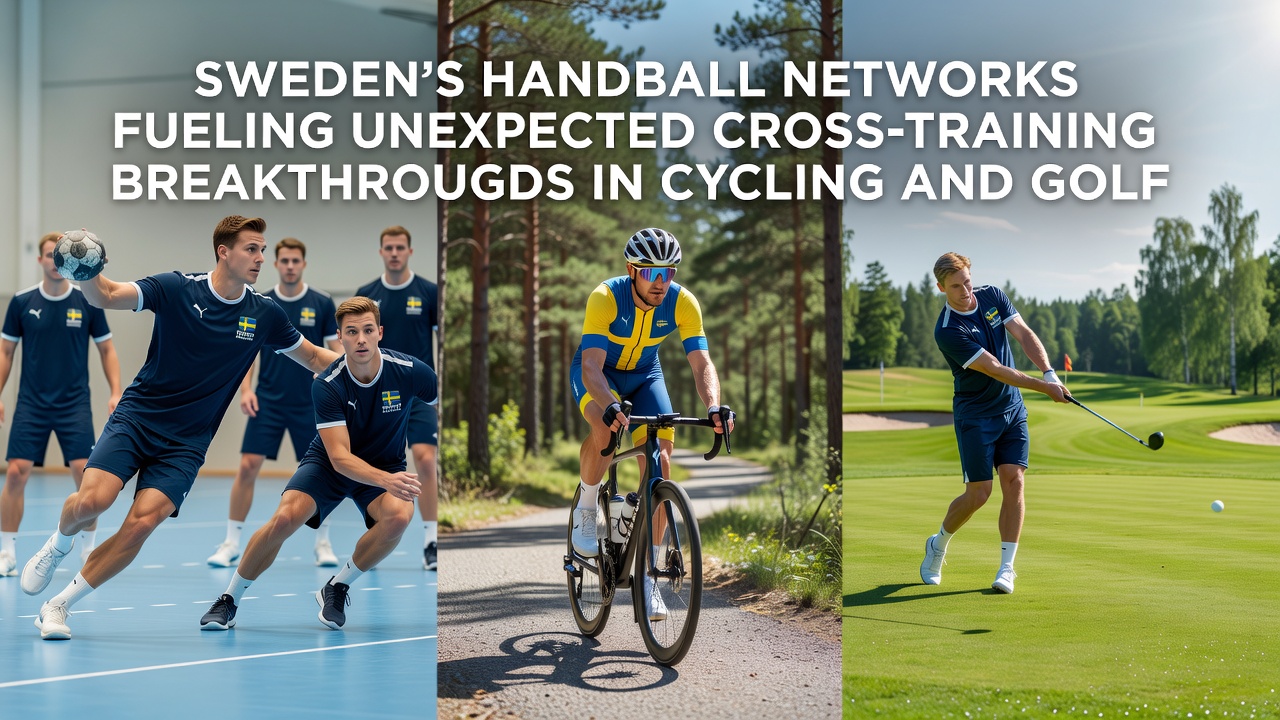
Sweden maintains one of Europe's most structured handball systems through regional networks that connect clubs, schools, and training centers across the country, and these same frameworks now channel athletes into cycling and golf programs where movement patterns from handball create measurable performance gains. Data from the Swedish Sports Confederation shows handball participation rates holding steady at around 110,000 registered players in recent seasons, with many clubs incorporating structured sessions that blend throwing mechanics, lateral quickness, and team coordination into non-handball sports.
Network Architecture Behind the Cross-Training Model
Regional handball federations operate shared facilities and coaching exchanges that allow trainers certified in handball to work alongside specialists in cycling and golf, while a 2025 report from the European Handball Federation documented 47 active inter-sport collaboration projects in Sweden alone. These projects typically run year-round schedules that alternate between handball courts for footwork and power development and outdoor or simulator environments for cycling cadence work and golf swing analysis, and the integration occurs because handball's emphasis on explosive starts and rotational force aligns directly with pedaling efficiency in cycling plus torque generation in golf drives.
Performance Metrics Emerging from Shared Training Protocols
Studies conducted at the Swedish School of Sport and Health Sciences tracked 180 athletes who moved between handball-derived drills and cycling time trials, and results indicated average improvements of 4.2 percent in peak power output after eight weeks of combined sessions. Similar cohorts in golf programs recorded reductions in handicap scores averaging 1.8 strokes over a six-month period when rotational core exercises from handball warm-ups were added to standard practice routines. Observers note that the networks facilitate these gains by providing access to multi-sport coaches who document progress through standardized testing protocols rather than isolated sport metrics.
Training logs shared among network participants reveal consistent patterns where former handball players introduce short-burst interval work that cyclists adapt for hill repeats, whereas golfers incorporate hand-eye coordination sequences that refine putting accuracy under fatigue. In July 2026 the networks plan expanded pilot programs in Gothenburg and Malmö that will pair junior handball squads with regional cycling clubs and golf academies for weekly joint sessions, building on earlier pilots that demonstrated retention rates above 75 percent among athletes who tried the cross-training format.
Case Examples from Regional Clubs
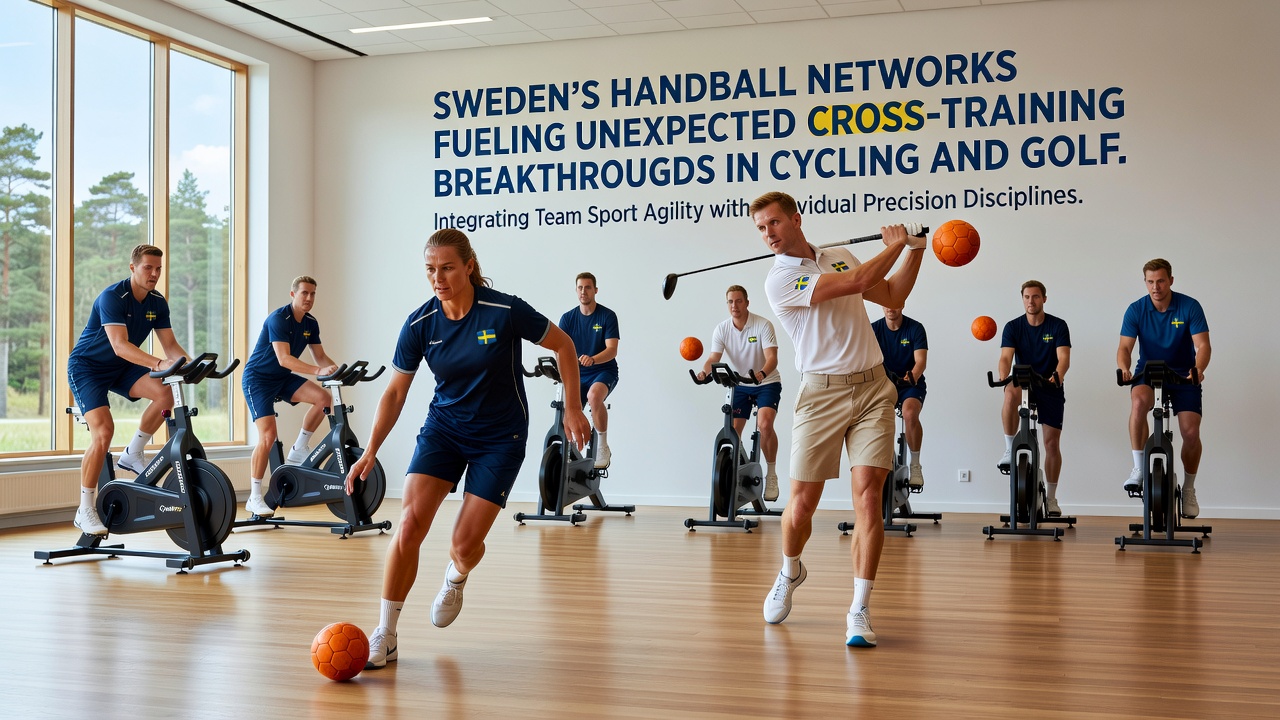
One club in Uppsala integrated handball passing drills into indoor cycling classes and reported higher average wattage outputs during winter training blocks, while a facility near Stockholm adapted defensive stance work into golf balance routines that reduced slice frequency among intermediate players. Researchers at Lund University published findings in 2024 that linked these adaptations to improved neuromuscular recruitment patterns, particularly in hip and shoulder stabilizers that serve dual purposes across the three sports. The networks maintain open data platforms where coaches upload session plans and outcome measurements, allowing patterns to emerge across different age groups and skill levels without requiring centralized mandates.
Data Sharing and Equipment Adaptations Across Disciplines
Equipment suppliers have begun producing modular training tools that serve handball, cycling, and golf simultaneously, such as resistance bands calibrated for throwing motion that double as golf swing trainers and portable balance boards used for both cycling dismount stability and handball landing control. According to figures released by the International Olympic Committee’s development unit, Sweden ranks among the top five nations for multi-sport facility utilization rates, with handball venues accounting for a growing share of cross-training hours booked by cyclists and golfers. These statistics come from aggregated booking systems that track facility usage across 12 regions and show a 23 percent rise in mixed-sport bookings between 2023 and 2025.
Coaches within the networks emphasize that success depends on mapping biomechanical overlaps rather than forcing direct skill transfer, and they cite examples where handball goalkeepers’ reaction timing drills translated into faster split-second decisions during golf approach shots under tournament pressure. Academic partners continue to refine measurement tools that isolate variables such as ground reaction force and joint angle velocity, ensuring that reported breakthroughs rest on reproducible data sets rather than anecdotal accounts. The infrastructure remains decentralized, which allows individual clubs to experiment with session formats while still feeding results back into the broader network for collective review.
Conclusion
Sweden’s handball networks continue to expand their role as connectors between traditionally separate sports by supplying proven movement foundations, shared coaching resources, and measurable performance tracking that support athletes in cycling and golf. The approach relies on existing club structures and data platforms that already operate at scale, and upcoming initiatives scheduled for July 2026 will test whether these patterns hold across larger participant groups. Ongoing documentation from universities and federations provides the factual basis for evaluating long-term outcomes across the three disciplines.