Sweden's National Parks as Training Grounds: How Natural Reserves Refine Endurance Strategies for Runners, Cyclists, and Skiers
Ben Butler · Nov 14, 2026

Sweden's National Parks as Training Grounds: How Natural Reserves Refine Endurance Strategies for Runners, Cyclists, and Skiers
Sweden maintains a network of national parks that serve as primary sites for endurance development across multiple disciplines, with runners, cyclists, and skiers utilizing the varied terrain to build capacity through repeated exposure to elevation changes, variable surfaces, and seasonal conditions. These protected areas, managed under national conservation frameworks, provide consistent access to trails that extend for dozens of kilometers while limiting motorized traffic and preserving natural gradients.
Trail Systems Supporting Runners
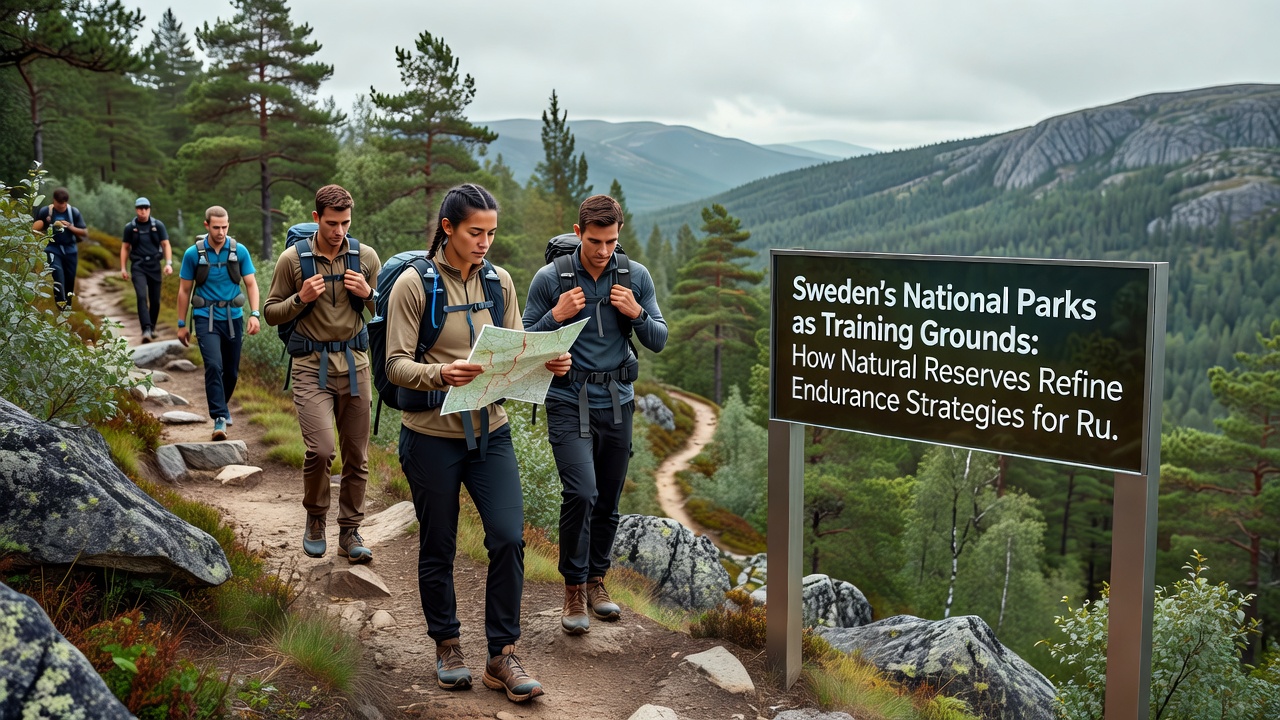
National parks such as Sarek and Padjelanta contain extensive path networks that allow runners to accumulate high weekly mileage on uneven ground, where root systems and rock formations demand constant adjustments in stride and foot placement. Data collected by regional athletic associations shows that athletes training in these environments record improvements in proprioception and muscular endurance compared with those limited to paved routes. In November 2026, preparatory sessions for spring competitions often shift to lower-elevation sections of these parks, where snow cover remains minimal and runners can maintain volume without excessive risk of slips.
Researchers tracking heart-rate variability in park-based programs note that the combination of sustained climbs and technical descents produces specific adaptations in aerobic threshold, with sessions structured around out-and-back loops that return athletes to designated trailheads equipped with water and emergency facilities. Observers note that such layouts encourage self-paced efforts while still incorporating group elements when multiple runners coordinate start times.
Cycling Routes and Elevation Profiles
Cyclists access park-adjacent roads and designated gravel tracks that link into longer circuits, particularly in areas like Fulufjället and Tyresta where elevation gains accumulate steadily over distances exceeding 50 kilometers. These routes feature consistent gradients that support interval work and long steady-state rides, while the surrounding forest canopy moderates wind exposure compared with open coastal roads. Studies compiled by European transport and recreation agencies indicate that gravel sections within or bordering these parks contribute to enhanced bike-handling skills and lower injury rates from repetitive strain on smooth surfaces.
Training logs shared among regional cycling groups reveal patterns where athletes alternate between paved approaches leading into the parks and interior trails that require lower gearing and higher cadence control. In late autumn periods such as November 2026, daylight constraints prompt earlier starts and reliance on reflective equipment, yet the stable temperatures adn reduced foliage improve visibility along tree-lined corridors. Park regulations require cyclists to remain on marked paths, which concentrates traffic in zones already monitored for maintenance and reduces conflicts with other user groups.
Winter Conditions for Skiers
Cross-country skiers rely on groomed tracks established within parks such as Abisko and Pieljekaise, where snow reliability extends through winter months and provides continuous loops ranging from 5 to 30 kilometers. These tracks incorporate both classic and skate lanes, allowing athletes to refine technique across changing snow densities that occur naturally with temperature fluctuations. Records maintained by the Swedish Ski Association document higher training volumes among athletes who incorporate park loops into weekly schedules, particularly during base-building phases when consistent snow cover supports daily sessions without artificial track preparation.
November 2026 marks the transition into reliable snow in northern parks, prompting skiers to relocate from southern training sites to higher-latitude reserves where early-season coverage supports progressive intensity increases. The natural undulations within these parks create repeated opportunities for hill intervals and recovery flats within single outings, while the remote setting encourages self-sufficiency practices such as carrying repair kits and navigation tools.
Shared Infrastructure and Seasonal Planning
Across disciplines, the parks supply shared entry points and signage systems that reduce logistical barriers for visiting athletes, while conservation rules limit group sizes in sensitive zones to protect vegetation. Training calendars coordinated by local clubs often align with park opening schedules, ensuring that runners, cyclists, and skiers can rotate through the same trailheads on different days and minimize simultaneous use. Environmental monitoring programs track trail erosion and wildlife disturbance, providing data that informs temporary closures or rerouting when usage spikes during peak training periods.
According to information from the Swedish Environmental Protection Agency, visitor statistics demonstrate steady growth in organized endurance events that originate from park boundaries yet remain compliant with access restrictions. Parallel research conducted by institutions in Canada, including reports from Parks Canada on comparable northern reserves, highlights similar patterns where natural terrain accelerates recovery metrics and sustains motivation through varied scenery.
Conclusion
Sweden's national parks function as integrated training environments that deliver measurable endurance gains for runners through technical trails, cyclists via sustained climbs, and skiers by way of reliable winter tracks. Usage data and physiological records indicate that repeated exposure to these conditions refines pacing, technique, and resilience across seasons, while regulatory frameworks maintain the ecological integrity that makes such access sustainable. Athletes planning sessions around November 2026 and beyond continue to incorporate these reserves as core components of periodized programs.