Swedish Municipal Policies Supporting Shared Indoor Access for Basketball and Cycling Training in Winter Seasons
Vera Schmitz · Aug 10, 2026
Swedish Municipal Policies Supporting Shared Indoor Access for Basketball and Cycling Training in Winter Seasons
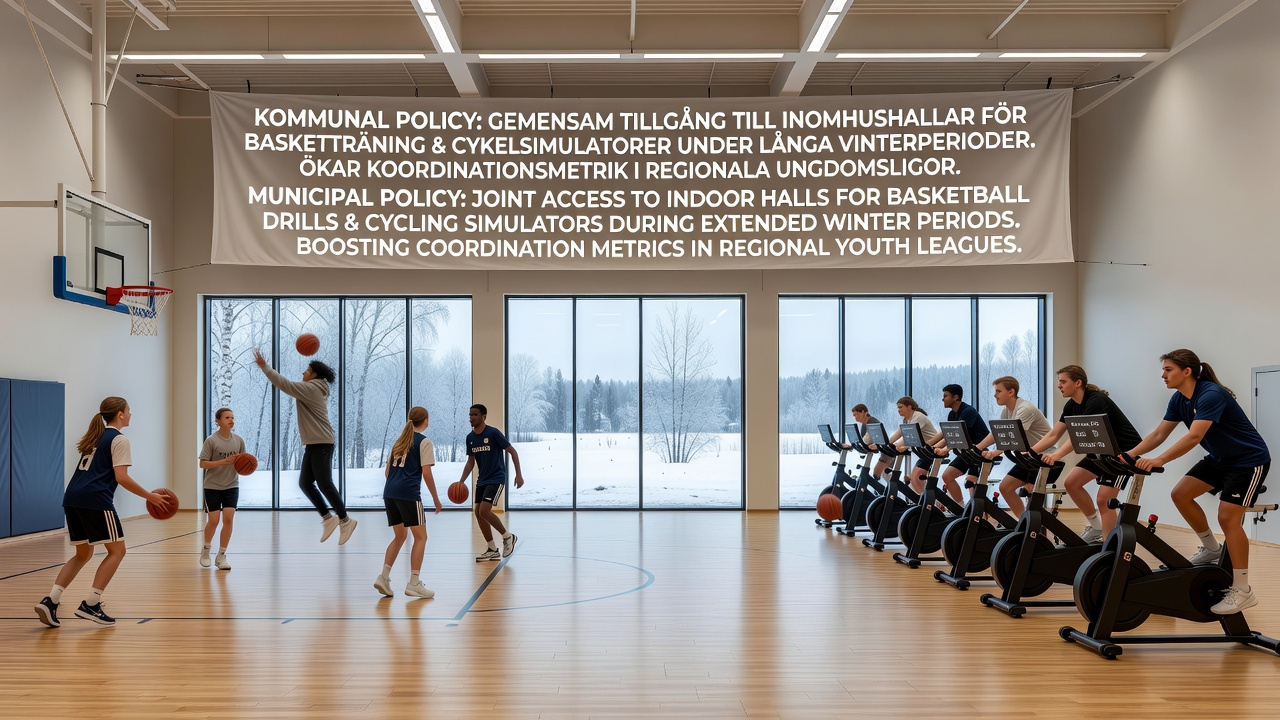
Swedish municipalities have implemented policies that open indoor halls to combined sessions where basketball drills share space with cycling simulators, and these arrangements run through the long winter months when outdoor options shrink; data from regional youth leagues shows measurable gains in coordination metrics among participants who train in these integrated setups.
Policy Framework Behind Facility Sharing
Municipal councils across several counties revised access rules starting in 2023 to allow multiple sports groups to book the same hall simultaneously, and this shift addressed limited indoor square footage while creating structured time blocks for basketball footwork exercises alongside stationary cycling routines that simulate road conditions. Observers note that these policies require clubs to coordinate schedules through a shared digital portal managed by local sports departments, which reduces conflicts and ensures simulators occupy one side of the court while players run drills on the other.
Reports compiled by the Swedish Association of Local Authorities and Regions indicate that over 40 municipalities adopted similar joint-use guidelines by the end of 2025, with updates released in August 2026 confirming continued funding allocations for equipment maintenance and safety barriers that separate the two activity zones.
Winter Training Demands in Regional Leagues
Youth basketball and cycling programs in northern and central Sweden face extended periods of darkness and cold that limit outdoor practice, yet clubs maintain year-round development plans because competitive seasons stretch across multiple months. Data indicates that teams using only single-sport indoor time often see plateaus in balance and reaction speed, whereas combined sessions introduce varied movement patterns that challenge athletes to adjust quickly between pedaling cadence control and lateral basketball movements.
Researchers at the University of Gothenburg tracked coordination scores in under-16 leagues and found that groups with access to these shared halls recorded average improvements of 12 percent in tests measuring multi-directional agility after one full winter cycle. The study design compared matched cohorts from municipalities with and without joint-access policies, and results pointed to the mixed environment as a contributing factor rather than increased total training hours alone.
Implementation Examples Across Counties
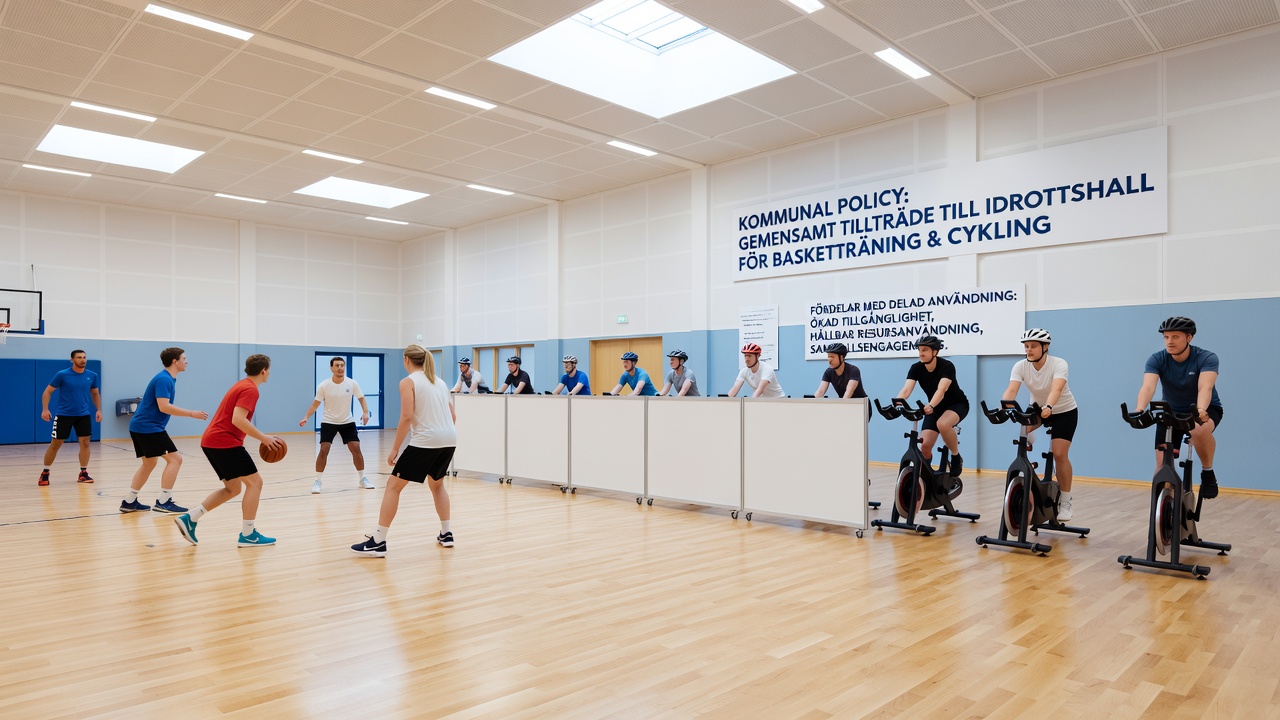
One county in Dalarna introduced staggered booking blocks where basketball teams warm up with footwork ladders while cyclists complete intervals on simulators positioned along the baseline, and this arrangement allows coaches from both disciplines to observe and offer cues without overlapping equipment. Figures from the county sports office reveal that 18 clubs participated in the first season, and participation grew to 27 clubs by the following winter after initial coordination metrics were shared among league organizers.
Similar programs in Västerbotten county pair youth basketball squads with junior cycling groups for twice-weekly sessions, and local federations report that athletes who rotate between the two stations show faster recovery in balance tests compared with peers who train in single-activity rooms. The setup uses portable dividers to maintain clear pathways, and municipal staff conduct monthly safety reviews to adjust spacing as needed.
Measured Impact on Coordination Metrics
League administrators collect standardized coordination assessments at the start and end of each winter period, and these evaluations include tasks such as rapid direction changes, single-leg stability under fatigue, and synchronized movement timing. Data shows consistent gains in regional standings for teams that log at least eight joint sessions per month, while those with fewer combined exposures display smaller shifts in the same metrics.
According to a report published by the Australian Institute of Sport, cross-training environments that mix lower-body endurance work with sport-specific agility produce transferable neuromuscular adaptations, and Swedish league data aligns with those broader findings even though the programs differ in scale and climate context. Additional analysis from the Government of Canada Sport Canada research division notes that facility-sharing models in cold-weather regions often yield efficiency gains in athlete development pathways.
Future Adjustments and Monitoring
Municipal planners continue to refine booking algorithms based on usage logs collected through the central portal, and August 2026 updates included new guidelines for incorporating heart-rate monitoring during simulator intervals to ensure cycling segments complement rather than compete with basketball energy demands. Regional youth leagues plan to expand the coordination metric tracking to include under-14 and under-18 divisions next season, which will generate larger datasets for policy evaluation.
Conclusion
Swedish municipal policies that enable joint indoor access for basketball drills and cycling simulators have produced documented coordination improvements in regional youth leagues during winter periods, and ongoing data collection supports continued refinement of these shared-facility models. The approach integrates equipment and scheduling practices that address seasonal constraints while delivering measurable training outcomes across participating clubs.