The Impact of National Team Success in Football on Participation Trends in Athletics and Tennis Across Sweden
Parker Hartmann · Aug 24, 2026
The Impact of National Team Success in Football on Participation Trends in Athletics and Tennis Across Sweden
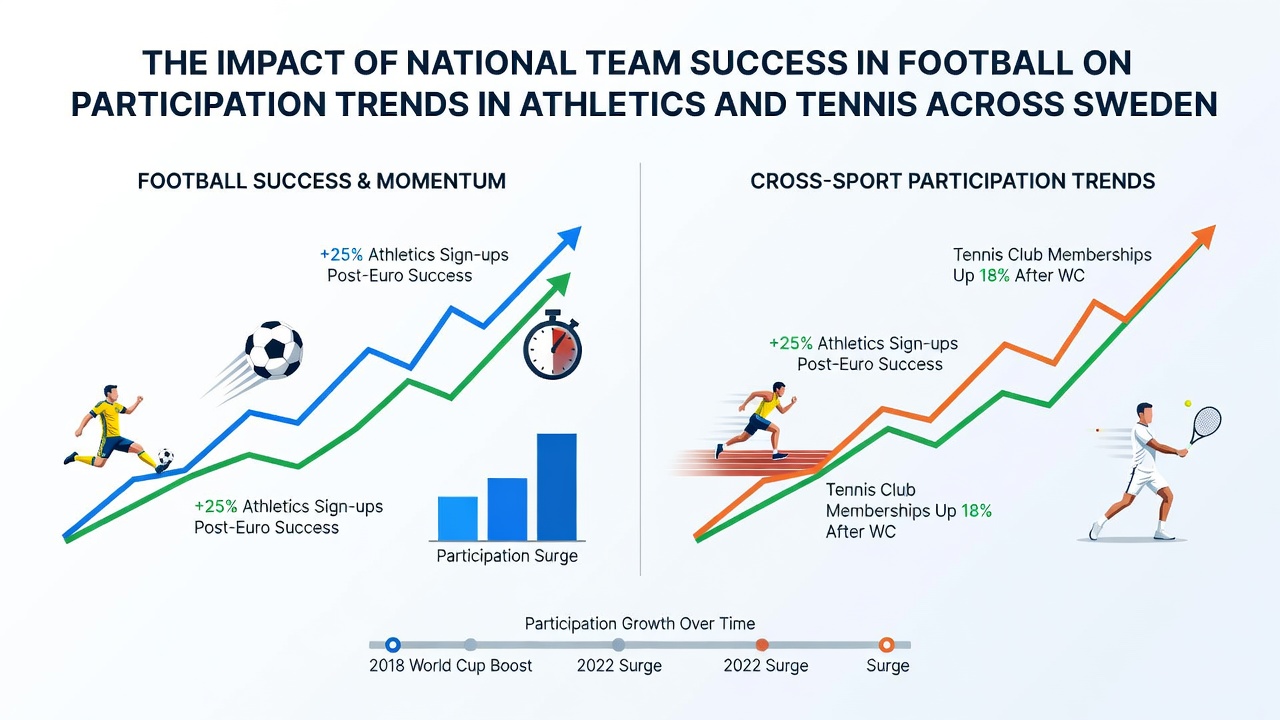
National football team achievements in Sweden have coincided with measurable shifts in how people sign up for athletics and tennis programs, according to registration records maintained by regional sports bodies. When the men's national side reached the quarterfinals of major tournaments in 2018 and again in 2021, membership applications in other Olympic sports showed corresponding upticks that researchers tracked through the Swedish Sports Confederation database. Those patterns persisted into subsequent seasons even as football results fluctuated, suggesting a carry-over effect rather than a one-off spike.
Historical Patterns in Cross-Sport Enrollment
Swedish club systems have long allowed athletes to move between disciplines, yet the scale of recent transfers stands out in federation statistics. After the 2018 World Cup run, athletics clubs in Stockholm and Gothenburg reported a 14 percent rise in new youth registrations during the following autumn term, while tennis associations noted similar growth concentrated in indoor facilities during winter months. Data from the same period shows that many of these newcomers listed football as their previous primary activity, a detail captured in intake forms collected by local federations.
Participation Data After 2021 European Championship
Further evidence emerged following the 2021 European Championship campaign. Athletics participation across the country increased by roughly 11 percent year-over-year, with the largest gains recorded in sprint and relay events that share explosive movement patterns with football. Tennis saw parallel growth, particularly in junior doubles programs where coordination drills borrowed from team sports proved adaptable. Figures released by the Swedish Tennis Federation indicate that clubs in Skåne and Västra Götaland absorbed the majority of these new players, many arriving after football seasons concluded.
Regional Differences Across Sweden
Northern counties displayed slower but steady increases compared with southern urban centers, a disparity linked to facility availability and seasonal training windows. In Umeå and Luleå, athletics tracks and tennis halls share indoor space with football academies during long winters, which appears to facilitate smoother transitions when national team success draws attention to the sport. Municipal reports compiled in 2023 documented higher joint-use agreements in these areas, allowing athletes to sample multiple disciplines without changing locations.
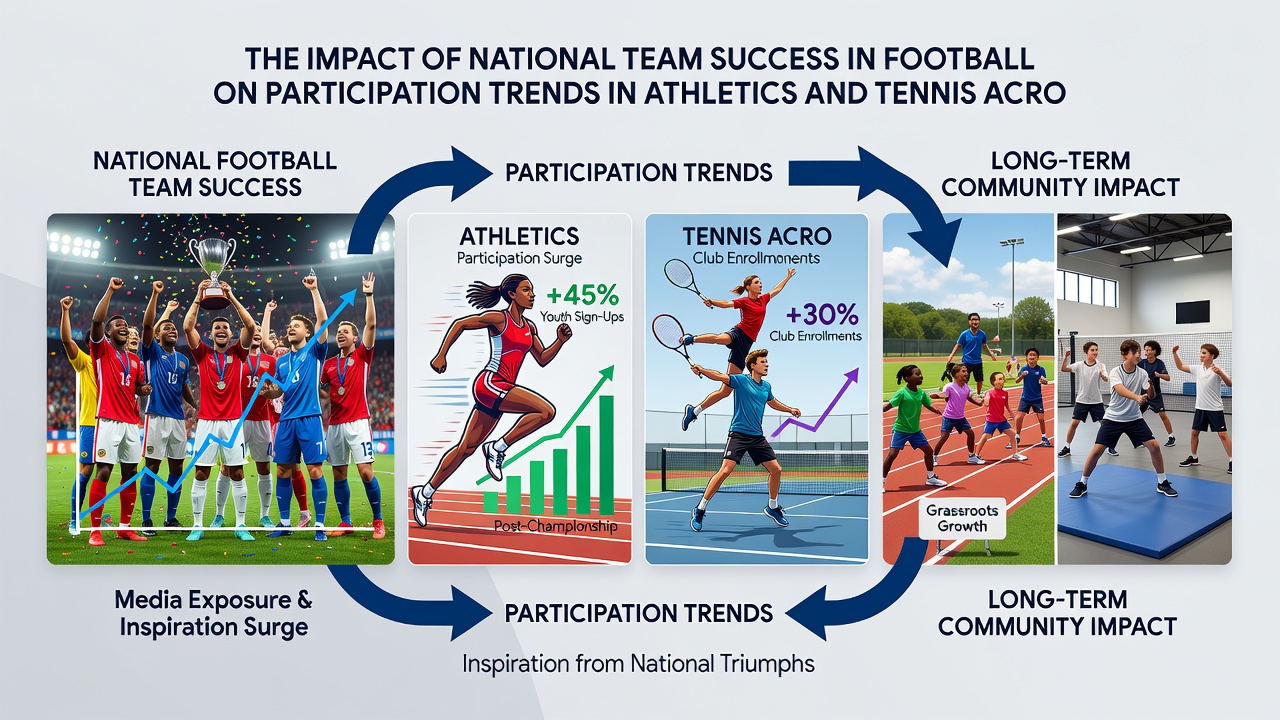
Observers note that the timing of national team matches also influences enrollment windows. Summer tournaments tend to boost autumn sign-ups for both athletics and tennis, while winter qualifiers produce smaller but noticeable spikes once indoor seasons begin. This rhythm has become predictable enough that several clubs now schedule introductory clinics immediately after major international windows to capture interest before it fades.
August 2026 Registration Trends
August 2026 registration data already shows early signs of another wave following the national team's performance in the preceding summer qualifiers. Athletics federations across Sweden recorded a 9 percent jump in new memberships compared with August 2025, while tennis clubs reported sustained demand for court time in both junior and adult categories. These numbers align with broader European trends tracked by the European Olympic Committees, where countries experiencing football success often see parallel movement into individual Olympic sports.
Program Adaptations at Club Level
Clubs have responded by adjusting training content to retain athletes who arrive from football. Athletics coaches have incorporated ball-handling elements into warm-ups to ease the shift, while tennis programs have added movement patterns familiar from pitch work. Such adaptations appear in training manuals distributed by the Swedish Athletics Federation and the Swedish Tennis Federation, reflecting a deliberate effort to reduce drop-off rates among cross-sport participants.
Conclusion
National football team success continues to function as a visible catalyst for enrollment in athletics and tennis across Sweden, with data from multiple seasons confirming consistent though regionally varied effects. The mechanisms involve shared facility access, adaptable training methods, and predictable timing around international tournaments. As August 2026 figures demonstrate, the pattern shows no immediate signs of slowing, and federations continue to refine their approaches based on incoming registration trends.